
A website can look excellent and still bring in very few enquiries. I’ve seen this happen when too much attention goes into colours, animations and appearance while the actual customer journey gets ignored. If the goal is lead generation, every important part of the website should help a visitor move from interest to action.
The first thing I look at is what the visitor sees when the page opens. There should be a clear message explaining what the business offers, who it serves and what the visitor can do next. A vague headline can make someone leave before they even explore the rest of the site.
A lead-generation website also needs the right pages. A service business, for example, may need dedicated service pages, an About page, testimonials, FAQs and a contact page. Choosing pages based on what potential customers actually need is more useful than simply adding pages for the sake of having a bigger website. What pages can be built in a 72-hour website gives a practical look at what can fit into a fast website project.
Then comes the offer itself. Visitors should not have to guess why they should contact the business. Explain the service, show the benefit and give them a simple reason to take the next step. Depending on the business, that action could be requesting a quote, booking a consultation, sending a WhatsApp message or completing a contact form.
Trust can make a major difference here. Real testimonials, previous projects, business information, photographs, guarantees where applicable and straightforward contact details can give visitors more confidence. The design should support that trust rather than distract from it.
This does not mean the website has to be complicated. A clean layout, readable text, properly placed buttons and consistent branding can do a lot. Even a fast project can have a polished appearance; Can a fast website still look premiumlooks at how speed and presentation can work together.
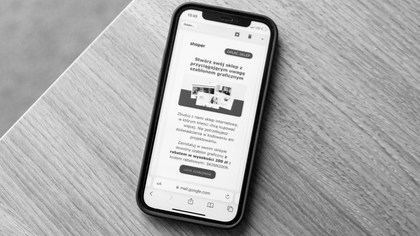
Mobile design deserves particular attention because many potential customers will visit from their phones. Buttons need to be easy to tap, forms should not be frustrating and important information should remain easy to find without excessive scrolling or zooming.
I also prefer placing calls to action where they make sense instead of repeating the same sales message everywhere. A visitor reading about a service may need a quote button. Someone checking previous work may be ready to enquire. The CTA should match the point they have reached in their decision.
Lead generation is also connected to the wider online presence. A website should work alongside search, social media, referrals, email and other channels that bring people to the business. How to build an online presence for your business quickly covers how the website fits into that bigger picture.
Preparation can make the development process much smoother. Having your logo, service information, images, contact details, preferred colours and other materials ready means more time can be spent building and testing the actual website. How to prepare for a 72-hour website project explains what should be ready before development begins.
The website can then be planned around the most important customer actions instead of unnecessary features. A focused project can be completed and ready within the 72-hour timeframe, provided the required materials and decisions are available.
That speed does not mean skipping the fundamentals. What makes a 72-hour website project successful shows why planning, communication and clear requirements matter when working on a short development timeline.
Budget is another part of the decision. The final cost depends on the number of pages, design requirements, functionality and other project needs. How much does a website built in 72 hours cost provides more detail on the factors involved.
Most importantly, a fast website still needs to be professional and useful. Can you really build a professional website in 72 hours explores how a focused development process can achieve that without turning the project into a long wait.
For me, effective lead generation starts with a simple question: What should a visitor do after landing on this website?Once that answer is clear, the layout, content, trust signals and calls to action can all be built around it.
If the goal is to have a professional lead-generation website ready quickly, Auxi Sherpa's 72-hour website serviceprovides a route to getting the agreed website completed within 72 hours.
Email: admin@auxisherpa.com