
If customers have to call, send several messages or wait for you to confirm an appointment manually, you are creating unnecessary work for both sides. Online booking removes much of that back-and-forth. A visitor can check availability, choose a suitable time and submit a booking directly from your website.
The first step is deciding exactly what customers need to book. It could be a consultation, salon appointment, hotel room, cleaning service, training session, repair visit or another scheduled service. Once that is clear, the booking system can be built around the actual process rather than adding a feature that does not fit the business.
I usually think about the customer's journey from the moment they land on the website. They should be able to understand the service, see the available option and find the booking button without searching through several pages.
That is why page planning matters. A business might need service pages, pricing information, FAQs, testimonials and a dedicated booking page. What pages can be built in a 72-hour website gives a useful idea of how these pages can fit into a fast website project.
The booking form itself should be simple. Asking for a customer's name, email or phone number, preferred date, selected service and any genuinely necessary information may be enough. Long forms can discourage people who were ready to book.
Availability also needs to be accurate. If you only have certain working hours or specific staff members handling appointments, the booking system should reflect that. Otherwise, you can end up with double bookings or appointments that cannot actually be fulfilled.
Payment is another decision. Some businesses only need customers to reserve a time and pay later, while others may want payment during booking. The right approach depends on the service, pricing and how the business normally handles customers.
The website should also make the booking option obvious. A button such as Book Now, Schedule an Appointment or Reserve Your Spot is much clearer than hiding the booking link in a menu. Visitors should know what happens after they click it.
Online booking can also work alongside other contact options. Someone may still prefer WhatsApp, email or a phone call, so there is no reason to remove those channels completely. The website can give customers several ways to reach the business while making booking available for people who prefer to handle it themselves.
This fits into a wider online presence. How to build an online presence for your business quickly explains why a website should work together with the other channels customers already use.
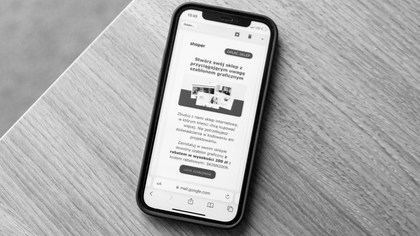
Mobile users deserve particular attention. If the booking form is difficult to use on a phone, the convenience disappears. Buttons need to be easy to tap, fields should be readable and the process should not require unnecessary zooming or scrolling.
The design also matters. A booking feature should feel like part of the website rather than something that has been awkwardly attached to it. A fast website can still have a polished appearance, as discussed in Can a fast website still look premium.
There is also the question of how quickly everything can be put together. Adding online booking does not automatically mean waiting weeks for a website. With the content, branding, service details and booking requirements prepared in advance, the agreed website can be completed within the 72-hour timeframe.
Good preparation makes a noticeable difference. How to prepare for a 72-hour website project covers the information that can help keep development moving without unnecessary delays.
The booking feature should also be tested before launch. I would check the form on both phone and desktop, test the confirmation process, verify the available dates and make sure submitted bookings reach the right person. A booking system that looks good but fails to notify the business is obviously a problem.
The overall website package can include more than the booking function itself. What does a 72-hour website package include gives more context on the elements that can be included in a fast website build.
Cost depends on the website requirements, booking functionality, number of pages and any additional integrations. How much does a website built in 72 hours cost explains some of the factors that can affect the price.
A professional website with online booking can therefore be completed quickly when the project is properly defined. Can you really build a professional website in 72 hours looks more closely at what can be achieved within that timeframe.
For businesses that rely on appointments, reservations or scheduled services, online booking can turn a website from a simple information page into a practical part of daily operations. Customers get a more convenient way to book, while the business gets a clearer process for managing enquiries and appointments.
If you already know what you want customers to book, the next step is getting the website and booking process built around it. Auxi Sherpa's 72-hour website service is designed to get the agreed website completed within 72 hours.
Email: admin@auxisherpa.com