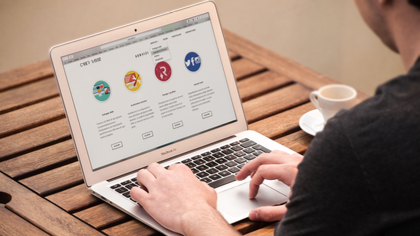

When I started looking at how businesses attract customers today, one thing became obvious: being online does not have to mean doing everything at once. A business can begin with the essentials—a clear website, accurate information, social media profiles and a simple way for customers to get in touch. With the right preparation, it is possible to establish a professional online presence without spending months putting everything together.
The first step is deciding what you want people to find when they search for your business. Your business name, services, location, contact details and the main reason customers should choose you should be easy to understand. This gives you a clear foundation instead of creating several online profiles without a consistent message.
A website should usually be at the centre of that presence. Social media can help you reach people, but your website gives customers one place to learn about the business. It can also remain useful when people discover you through search engines, advertisements, referrals or social platforms.
For anyone worried that website development always takes weeks, there are faster options. A focused project can be completed within a 72-hour development window when the website requirements are suitable and the necessary materials have already been supplied. It is worth understanding what a 72-hour website package includes before deciding whether this approach fits your business.
The next thing I would prepare is the content. This is where many projects lose time. You do not need pages filled with complicated language. Start with the information customers actually need: what you sell, who you serve, why your business is different and how someone can contact you.
Having your logo, business description, photographs, service information and contact details ready can make the process much smoother. A useful guide on how to prepare for a 72-hour website project can help you organise these materials before development begins.
Your website also needs to look trustworthy. That does not mean filling every page with animations or expensive visual effects. Clean navigation, readable text, quality images and a layout that works well on phones can make a much stronger impression.
This is especially important because many customers will encounter your business from a mobile device. If the site is difficult to read or the contact button is hard to find, a potential customer may simply leave.
Once the website is ready, connect it with your other online channels. Your social media profiles should point people towards the website, while the website should make those profiles easy to find when appropriate. Keeping your business name, contact information and branding consistent across platforms also makes the company easier to recognise.
Search visibility should be part of the plan from the beginning. I would use clear page titles, relevant descriptions and natural keywords that match what customers actually search for. There is no guarantee that a new website will immediately appear at the top of search results, but building useful, well-organised pages gives the business a stronger starting point.
Speed can also matter when launching a new business or updating an existing one. A professional business website in three days can be useful for someone who needs to establish a credible online presence without waiting through a lengthy development cycle.
At the same time, I would not choose a fast website simply because it is fast. The real question is whether it gives the business what it needs. Comparing 72-hour website development with traditional website development can help put the difference into perspective.
Cost is another consideration. A small business does not necessarily need a large website with dozens of features. A focused site containing the right information can be more useful than an expensive project filled with functions customers never use. Anyone comparing options can also look at the cost of building a website in 72 hours before setting a budget.
What matters most is getting the basics right. Your website should explain your business clearly, give visitors confidence and provide an obvious next step. That could be calling you, sending an enquiry, booking an appointment, requesting a quote or purchasing a product.
I also believe businesses should avoid waiting for a “perfect” online presence before launching. A website can improve over time. You can add new services, publish useful articles, introduce online booking or expand your pages as the business develops.
If speed is important, the 72-hour website development approach may be worth considering. The key is preparation. A clear brief and ready-to-use content can help prevent unnecessary delays.
For businesses that want to move quickly, the process can be straightforward: decide what customers need to know, prepare the necessary materials, build the website, check everything carefully and then make the site available to the public.
That is how I would approach it. There is no need to make the process more complicated than it needs to be.
If you’re ready to get your business online, you can start your website project today and work toward having it completed within 72 hours.
Email: admin@auxisherpa.com