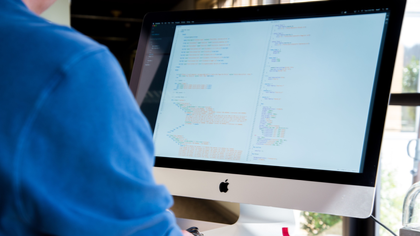

A small business can have excellent products, competitive prices and loyal customers, yet still miss opportunities simply because people cannot find enough information about it online. From my perspective, a website is more than an online business card. It can become a place where potential customers discover what a company offers, compare their options, learn about the brand and decide whether to make contact. And when a suitable website can be developed within 72 hours, getting that digital presence no longer has to be a distant goal.
One of the biggest advantages I see is discoverability. Someone searching for a service may not know the business personally, but they can still come across its website through search engines, social media, referrals or an online advertisement. Without a website, that opportunity may belong to a competitor instead.
A well-organised site gives that visitor somewhere useful to go.
Instead of relying entirely on social media posts, I can direct people to a permanent location containing the important details about the business. Services can be explained properly, frequently asked questions can be answered, contact information can remain accessible and customers can learn what makes the company different.
That creates another benefit: credibility.
Before spending money with an unfamiliar business, many people want reassurance that the company is legitimate and established. A professional website can provide that reassurance through clear branding, accurate information, testimonials, photographs, business details and simple ways to get in touch.
Of course, having a website does not automatically produce customers. The site still needs to be useful. If a visitor arrives and cannot understand the offer, find the price or locate a contact option, the opportunity can disappear quickly.
I therefore look at a business website from the customer's point of view rather than simply asking whether it looks attractive.
Can someone understand the service within a few seconds? Can they find what they need without confusion? Is there a clear next step? Does the site work properly on a smartphone?
These questions matter because the website should support the customer's decision, not make the decision harder.
For small businesses working with limited resources, affordability also matters. Spending heavily on features that are not currently needed may not be the best use of money. A focused website can provide the essential foundation first, with additional functionality added as the company expands. Anyone considering the financial side can explore how much a website built in 72 hours can cost before setting a budget.
Speed can be particularly useful when a business is starting a new service or preparing a marketing campaign. There is little value in launching an advertisement that sends people to an unfinished website.
If the requirements are manageable, a 72-hour website project can give a small business a clear target for getting online quickly. This guide to getting a website online in three days provides another perspective on the process.
The website can also strengthen other marketing activities. A business can place its web address on business cards, social profiles, email signatures, promotional materials and advertisements. Rather than explaining everything repeatedly, the company has one central destination where interested people can find the relevant information.
Search visibility is another long-term opportunity. A properly structured website can provide pages that are relevant to the services customers are searching for. This does not mean a new website will immediately appear at the top of Google. Search performance takes time and depends on many factors. Still, having a solid website gives a business a foundation from which to build its online visibility.
Design should not be ignored either.
A small company does not need an extravagant website to appear professional. Clean presentation, readable text, appropriate imagery and consistent branding can make a stronger impression than a page filled with unnecessary effects. The question of whether a fast website can still look premium is especially relevant for businesses concerned that speed might affect quality.
Another area I would pay attention to is conversion. The purpose of attracting visitors is not simply to increase the number of people looking at a page. The business ultimately wants the right visitors to take action.
That action could be requesting a quote, booking an appointment, purchasing a product, sending an enquiry, joining a mailing list or calling the company.
A website should therefore guide visitors naturally toward that next step.
The 72-hour completion goal becomes most realistic when the business keeps the project focused. A straightforward service website can be very different from a complex online marketplace or custom web application. Knowing what a 72-hour website package includes can help business owners understand what can reasonably be achieved within the timeframe.
Preparation makes a difference too. Having the logo, business information, photographs, service descriptions and contact details available before development begins can prevent avoidable delays. Preparing for a 72-hour website project is therefore something I would recommend before the clock starts.
There is also no reason to think that a three-day website has to remain unchanged forever. Businesses evolve. New services appear, products are introduced and customer needs change. The initial site can provide the foundation, while future updates expand its capabilities.
That is how I would approach rapid development: not as a shortcut that sacrifices quality, but as a way to remove unnecessary waiting when the project itself is suitable for a concentrated schedule.
For a small business, the real question is not simply, “Do I need a website?”
It is, “How many potential customers could I be losing because they cannot easily find me, understand my offer or contact my business online?”
A website will not replace good products, reliable service or effective marketing. What it can do is give those things a permanent online presence and make it easier for interested people to take the next step.
If the project is properly defined, the necessary information is ready and the required features are realistic, working toward a 72-hour website launch can be a practical way to stop postponing your online presence.
For questions about your website requirements, you can also contact
Email: admin@auxisherpa.com.