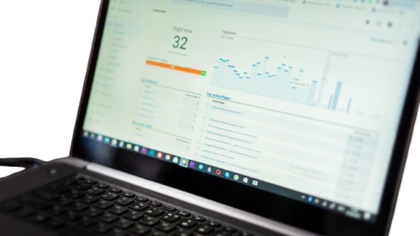

A website can look impressive and still lose customers if it takes too long to load. When someone clicks your link and waits for a page that never seems ready, they may simply close it and move on. For a business website, speed is part of the customer experience, not just a technical detail.
When I look at website performance, I pay attention to what is actually making the pages heavy. Often, the problem is not the website itself but a collection of large images, unnecessary features, poorly handled files, or excessive scripts.
One of the easiest places to start is with images. High-quality photographs are useful for branding, but uploading huge image files straight from a camera or phone can add unnecessary weight to a page. Images should be resized appropriately and compressed while keeping enough quality for the screen.
The same thinking applies to videos. A business does not necessarily need a video playing automatically in the background on every page. If a feature adds weight without helping visitors understand the business or take action, I would question whether it belongs there.
The design itself should also remain focused. A professional website does not need endless animations, sliders, pop-ups, effects, and third-party tools. A clean layout can look better and perform better at the same time. Businesses considering a fast build can see what makes a 72-hour website project successful, particularly when speed and quality have to work together.
Mobile users deserve special attention. Many visitors will access a business website through mobile data, so a page that feels reasonably fast on a powerful computer can feel much slower on a phone. This is one reason I prefer to consider mobile performance during development rather than trying to fix it after everything has already been built.
The number of pages can affect the project too, although having more pages does not automatically make a website slower. What matters is what each page contains and how efficiently it is built. Planning the necessary sections beforehand helps avoid unnecessary content and features. What pages can be built in a 72-hour website is useful when deciding what your business actually needs.
Clean code and sensible website structure matter behind the scenes as well. Unnecessary plugins, poorly configured tools, excessive scripts, and badly implemented features can all create performance problems. A website should have the functionality needed by the business without becoming overloaded.
Content should be kept practical too. Visitors usually want answers quickly: What does the business offer? How much does it cost? Where is it located? How can they make contact? A focused website makes those answers easier to reach. How to build an online presence for your business quickly covers the importance of getting the essential online presence in place without unnecessary complications.
Hosting and technical setup also have a role to play. Even a well-designed website can perform poorly if the underlying hosting environment is inadequate. That is why speed should be considered across the entire setup rather than blamed on one element.
Testing before launch is another step I would not skip. Pages should be checked on phones, tablets, and computers, while important buttons, forms, menus, images, and other functions are tested properly. A website that looks fast during development should still be tested under realistic conditions.
This does not mean a fast website has to look basic. Good typography, strong branding, attractive images, and custom sections can still create a polished result. Can a fast website still look premium? looks at how visual quality and speed can coexist.
For businesses working with a short deadline, preparation makes the process much easier. Having the logo, written content, images, contact details, preferred colours, page requirements, and other materials ready before development reduces delays. How to prepare for a 72-hour website project explains why this preparation matters.
A fast-loading website can also be built within a short development window. The goal of a 72-hour project is not simply to put something online quickly. The agreed website should be completed and ready within 72 hours, with important areas such as mobile usability, performance, design, and functionality properly considered.
If you are wondering whether that timeframe can still produce a professional result, can you really build a professional website in 72 hours? explores the process in more detail.
The final point is simple: website speed should be planned from the beginning. Choosing the right images, limiting unnecessary features, keeping pages focused, testing across devices, and paying attention to the technical setup can make a noticeable difference.
For a business that needs to get online without waiting for a long development cycle, a website built in 72 hours can combine a focused build process with the performance considerations a modern website needs.
Email: admin@auxisherpa.com