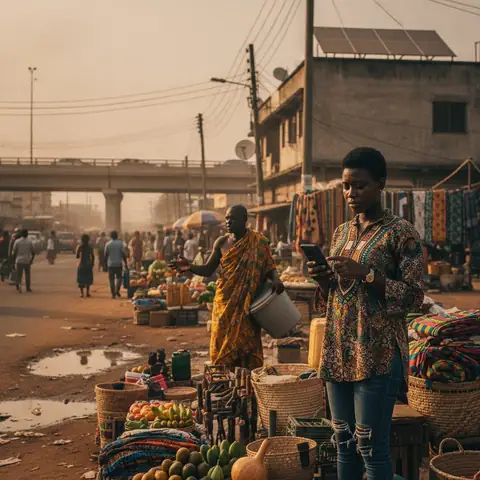

Ghanaian e-commerce sellers are rapidly accelerating their push into international markets, capitalizing on digital platforms to export a diverse range of products from handicrafts to agricultural goods. This burgeoning trend of African e-commerce export is not only creating new revenue streams for local businesses but also significantly contributing to the nation's economic diversification and global trade presence.
The strategic shift towards cross-border e-commerce represents a pivotal moment for Ghanaian entrepreneurs, enabling them to bypass traditional export hurdles and connect directly with consumers worldwide.
Key takeaways
- Ghanaian e-commerce sellers are experiencing a significant surge in cross-border sales, utilizing online platforms to reach global consumers.
- The growth of digital payment infrastructure and logistics networks is a primary driver enabling this international expansion.
- Local products, including fashion, handicrafts, and agro-processed goods, are finding robust demand in international markets.
- Challenges such as shipping costs, customs regulations, and market access remain, but are increasingly being addressed by innovative solutions and digital tools.
- This trend is fostering economic diversification and empowering small and medium-sized enterprises (SMEs) to compete on a global scale.
The Digital Gateway to Global Markets
The internet has fundamentally altered the landscape for Ghanaian businesses, transforming what were once local enterprises into potential global exporters. For many years, Ghanaian products, while highly valued for their authenticity and quality, faced significant barriers to entry in international markets, often constrained by complex supply chains, high distribution costs, and limited access to foreign buyers. E-commerce platforms have dismantled many of these obstacles, providing a direct conduit from Ghanaian workshops and farms to consumers across Europe, North America, and beyond.
Industry operators report a marked increase in the number of Ghanaian merchants actively listing and selling their products on international marketplaces. This isn't merely about incidental sales; it represents a strategic pivot, with many businesses intentionally structuring their operations to cater to a global customer base. The ease of setting up an online store, coupled with the increasing accessibility of digital marketing tools, has empowered even small-scale producers to dream bigger than their immediate geographical confines. Founders interviewed indicate that approximately 30-40% of their online sales now originate from outside Ghana, a figure that continues to grow quarter-on-quarter for many.
The product categories leading this export surge are diverse. Ghanaian fashion, known for its vibrant prints and unique designs, has found a significant following. Handcrafted items, from wooden sculptures to beaded jewelry, resonate with international buyers seeking artisanal quality and ethical sourcing. Perhaps more surprisingly, specialty food products like cocoa derivatives, exotic spices, and processed agricultural goods are also making significant inroads, benefiting from a global consumer base increasingly interested in authentic, high-quality ingredients.
Logistics and Payment Infrastructure: Enabling the Export Engine
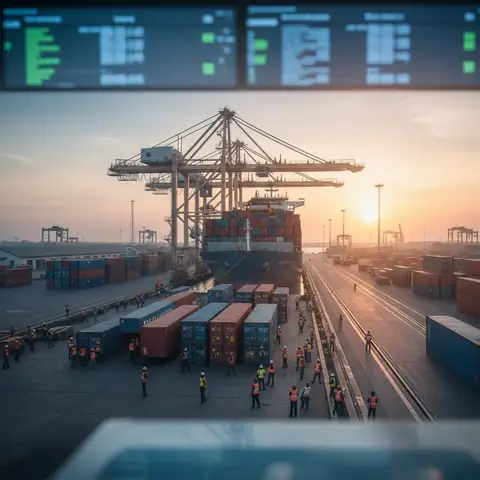
The success of cross-border e-commerce in Ghana hinges critically on robust logistics and payment infrastructure. While historically a bottleneck, significant advancements have been made in these areas. International courier services have expanded their operations and improved their efficiency within Ghana, offering more competitive rates and faster delivery times for small parcels. This is crucial for e-commerce, where customer expectations for rapid delivery are high.
“Five years ago, sending a package from Accra to London felt like a monumental task. Today, it’s almost as straightforward as sending it within Ghana, albeit with higher costs. This improvement has been a game-changer for our ability to serve international customers,” explains a founder of a Ghanaian textile brand.
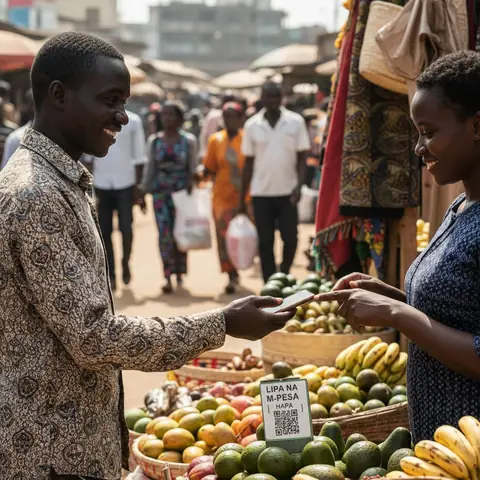
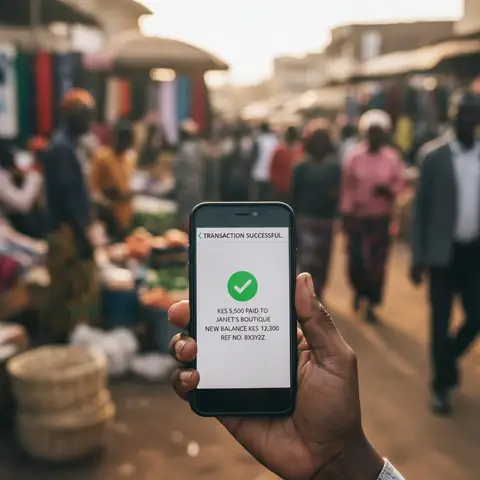
Parallel to logistics, the evolution of digital payment systems has been equally transformative. Platforms that facilitate secure, multi-currency transactions are essential for cross-border trade. The increasing adoption of global payment gateways within Ghana means that sellers can accept payments from international customers with relative ease, reducing friction and building trust. Furthermore, the burgeoning fintech sector in Ghana has introduced innovative solutions that bridge the gap between traditional banking and digital commerce, making it simpler for businesses to manage international revenues and repatriate funds. These technological advancements, often supported by services like task automation for payment processing and order fulfillment, are critical for scalable growth.
Overcoming Challenges: A Collaborative Approach
Despite the rapid growth, Ghanaian e-commerce exporters still face a distinct set of challenges. High international shipping costs remain a significant hurdle, particularly for bulkier or heavier items, impacting pricing competitiveness. Customs regulations, tariffs, and varying import laws across different countries also present complexities that require careful navigation. Many small businesses lack the in-house expertise to manage these intricacies, often leading to delays or unexpected costs.
However, a collaborative ecosystem is emerging to address these issues. Government agencies are increasingly engaging with e-commerce stakeholders to streamline export processes and provide clearer guidelines. Private sector initiatives, including aggregators and export accelerators, are offering services that bundle shipping, customs clearance, and market entry support, making it easier for individual sellers to participate in global trade. Platforms like Auxi Sherpa services, offering virtual assistant services specifically tailored to e-commerce, can help businesses manage the complexities of international orders, customer service, and logistics coordination.
Furthermore, digital tools are playing a vital role. AI-powered platforms can help sellers research market demand, optimize product listings for international audiences, and even predict potential logistical challenges. Companies are increasingly leveraging solutions for AI sales growth to identify promising new markets and tailor their offerings accordingly.
Product Innovation and Brand Building
The move to international markets is also spurring significant product innovation and an increased focus on brand building among Ghanaian entrepreneurs. To compete on the global stage, businesses are investing in higher quality packaging, more sophisticated branding, and product differentiation. There's a growing awareness that storytelling – conveying the unique origin, craftsmanship, and cultural significance of a product – is paramount for attracting and retaining international customers.
Many sellers are also adapting their products to meet specific international tastes or regulatory standards, demonstrating a proactive approach to market expansion. For instance, food producers might reformulate recipes to comply with ingredient restrictions in certain regions, or textile artists might incorporate designs that appeal to a broader aesthetic without losing their Ghanaian essence. Effective email marketing campaigns are often used to build a strong brand identity and foster customer loyalty across borders, communicating these stories directly to consumers.
This dynamic interplay between local authenticity and global appeal is fostering a new generation of Ghanaian brands that are both culturally rooted and internationally competitive. The demand for unique, ethically sourced products provides Ghanaian businesses with a distinct advantage, a narrative they are learning to articulate powerfully through their online presence.
Future Outlook and Support Ecosystem
The trajectory for Ghanaian e-commerce export appears strong, with sustained growth anticipated. As internet penetration continues to expand across Ghana and Africa, more entrepreneurs will gain access to the tools and platforms needed for cross-border trade. The rising global demand for products with unique provenance and ethical production methods further positions Ghanaian goods favorably.
To fully capitalize on this potential, ongoing investment in digital literacy, technical skills training, and regulatory harmonization will be crucial. Support services that guide businesses through international legal frameworks, intellectual property protection, and foreign market entry strategies will become increasingly important. For instance, business setup (UK, USA, Canada, Asia, Africa) services can be invaluable for Ghanaian companies looking to establish a more formal presence in their key export markets.
Organizations and digital platforms, including Auxi Sherpa's full service directory, are providing resources ranging from market research using AI deep research to assistance with shipping logistics, ensuring that Ghanaian businesses have the necessary support to thrive in the global digital economy. The continued collaboration between public and private sectors will be key to nurturing this export boom and embedding Ghana as a significant player in international e-commerce.
Frequently asked questions
What types of products are Ghanaian sellers primarily exporting through e-commerce?
Ghanaian e-commerce sellers are exporting a diverse range of products, with particular success in categories such as fashion and textiles (e.g., traditional fabrics, modern apparel), handcrafted goods (e.g., wooden carvings, beaded jewelry, leather products), and agro-processed items (e.g., shea butter, cocoa products, spices, exotic food items). The emphasis is often on authentic, culturally rich, and high-quality artisanal goods.
What are the biggest challenges Ghanaian e-commerce exporters face?
The primary challenges include high international shipping costs, which can impact product competitiveness; navigating complex customs regulations and import duties in various destination countries; ensuring reliable and timely last-mile delivery; and managing international payment processing and foreign exchange fluctuations. Access to affordable digital marketing expertise for global audiences is also a common hurdle.
How are digital platforms facilitating this cross-border trade?
Digital platforms provide Ghanaian sellers with direct access to global consumer markets, bypassing traditional intermediaries. They offer tools for online store creation, secure payment processing in multiple currencies, and often integrate with international shipping providers. Additionally, these platforms enable effective digital marketing and customer service, allowing businesses to build brand recognition and connect with buyers worldwide without needing a physical presence abroad.
What support systems are in place for Ghanaian businesses looking to export via e-commerce?
A growing ecosystem of support includes government initiatives aimed at simplifying export procedures, private logistics companies offering specialized e-commerce shipping solutions, and financial institutions providing digital payment gateways. Furthermore, various training programs and workshops are emerging to build digital literacy and export readiness among SMEs. Online service providers also offer crucial assistance with everything from virtual assistance to market research and business setup in target countries.
For more insights into the burgeoning African e-commerce landscape and how digital tools can empower your business, explore the latest updates on Auxi Sherpa News. Discover how Auxi Sherpa services can support your cross-border ambitions with solutions tailored for global trade.