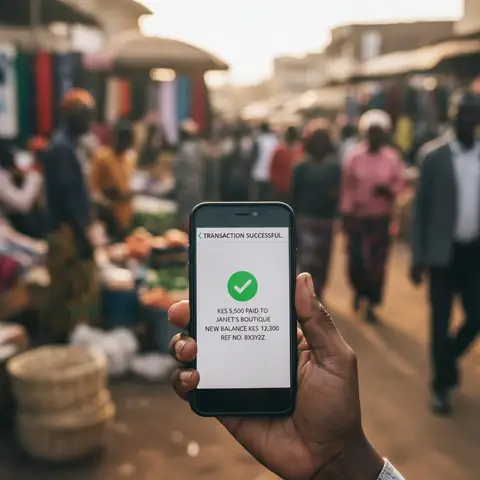

African countries are rapidly emerging as a significant source of remote talent for the global economy, with a growing number of skilled professionals finding opportunities beyond their national borders. This trend is not merely a convenience for international businesses but a powerful economic engine, driving job creation and foreign exchange earnings across the continent.
The rise of digital infrastructure, coupled with a young, educated, and digitally-savvy population, is positioning Africa as a critical player in the distributed global workforce, challenging traditional talent sourcing models.
Key Takeaways
- Africa's remote talent export is rapidly expanding, driven by digital infrastructure growth and a young, skilled population.
- This trend offers significant economic benefits to African nations, including job creation and foreign exchange.
- The continent provides a diverse pool of professionals, from IT specialists to customer support and administrative roles.
- International businesses benefit from cost-effective access to diverse skills and time zone advantages.
- Governments and private initiatives are actively supporting this growth through training and policy development.
The Digital Transformation Driving Talent Export
The foundational shift enabling Africa's rise in remote talent export is the widespread improvement in digital infrastructure. Across many African nations, internet penetration has soared, with increased access to affordable broadband and mobile data. This digital leap has directly empowered individuals to connect with global opportunities from virtually anywhere. Industry operators report a consistent increase in digital literacy and technical skills among the younger generation, who are often self-taught or benefiting from online courses and local tech academies.
This digital awakening is not just about connectivity; it's about a fundamental change in how work is perceived and performed. For many African professionals, remote work offers access to better compensation, diverse experience, and professional growth that might be limited in local markets. For international companies, it represents an untapped reservoir of skilled labor, offering competitive rates and often covering time zones that allow for continuous operational coverage. The increasing demand for flexible work models globally has perfectly aligned with Africa's emerging supply of remote workers.
A Diverse Skillset for Global Demand
The talent coming out of Africa is remarkably diverse, extending far beyond traditional IT roles. While software development, cybersecurity, and data analytics remain strong areas, there is a significant rise in professionals offering services in areas such as digital marketing, graphic design, customer support, administrative assistance, and even specialized virtual assistant services. Founders interviewed frequently highlight the adaptability and strong work ethic of African professionals.
Many remote workers from the continent are bilingual or multilingual, a significant asset in an increasingly globalized business environment. English and French are widely spoken, making communication seamless for many international companies. This linguistic advantage, combined with a strong educational foundation in various disciplines, positions African talent as highly competitive. Businesses looking for comprehensive support, from routine task automation to complex project management, are increasingly finding suitable candidates across the continent.
Economic Impact and Government Initiatives
The export of remote talent is having a tangible and positive economic impact on African nations. It generates significant foreign exchange, bolstering national economies and improving livelihoods. More importantly, it creates employment opportunities that are often higher-paying than local alternatives, stemming brain drain and encouraging skilled professionals to remain in their home countries while contributing to the global economy. This influx of income also stimulates local economies, as remote workers spend their earnings on housing, goods, and services.
Recognizing this potential, several African governments and regional bodies are actively supporting the growth of the remote work sector. This includes investments in digital infrastructure, the establishment of tech hubs and incubators, and the development of policies that streamline international payments and protect remote workers' rights. Educational institutions are also adapting, with curricula increasingly focusing on skills relevant to the digital economy. These coordinated efforts are crucial in fostering a sustainable ecosystem for remote talent export. Auxi Sherpa News frequently covers such developments, highlighting regional advancements.
Bridging the Global Talent Gap
As developed nations face aging populations and skill shortages in various sectors, Africa's youthful and burgeoning workforce offers a timely solution. The continent has the youngest population globally, with a significant proportion entering the workforce each year. This demographic dividend, combined with a growing emphasis on education and digital skills, positions Africa as a strategic partner in addressing global talent gaps. Companies seeking to scale quickly or manage peak demand are increasingly turning to African remote teams for everything from sales growth support to comprehensive business setup assistance.
The reliability of internet infrastructure and the increasing professionalization of remote work platforms mean that geographical distance is no longer a significant barrier. Businesses are discovering that quality and efficiency are not compromised, and in many cases, enhanced, by leveraging a diverse, globally distributed team. The stereotype of remote work as a secondary option is rapidly being replaced by an understanding that it is a strategic advantage for global competitiveness.
Challenges and Future Outlook
Despite the immense potential, challenges remain. These include ensuring consistent internet quality in all regions, addressing potential regulatory hurdles for international employment, and continuing to upskill the workforce to meet evolving global demands. Payment infrastructure and access to digital banking for remote workers are also areas of ongoing development. However, these challenges are being systematically addressed by both public and private sectors, including innovative fintech solutions and dedicated platforms designed to facilitate global remote work.
The future outlook for Africa's remote talent export is overwhelmingly positive. As more companies embrace remote-first or hybrid models, the demand for skilled, reliable, and cost-effective talent will only grow. Africa is poised to not just meet this demand but to become a leading innovator in the future of work, further integrating its economies into the global value chain. The opportunity for mutual benefit, for both African talent and international businesses, is immense and still largely untapped.
Frequently asked questions
What types of remote jobs are most common for African talent?
African professionals are increasingly engaged in a wide range of remote roles. Common positions include software development, data analysis, cybersecurity, digital marketing, graphic design, content creation, customer support, administrative assistance, and virtual assistant roles. The diversity of skills available is growing rapidly across various industries.
How do businesses find and onboard remote talent from Africa?
Businesses typically utilize online talent platforms, specialized recruitment agencies, and professional networks to find remote talent from Africa. Onboarding often involves remote collaboration tools, clear communication protocols, and sometimes the use of Employer of Record (EOR) services to handle local compliance and payroll. For a full service directory, you can check Auxi Sherpa's offerings.
What are the primary benefits for international companies hiring African remote talent?
International companies benefit from access to a vast, skilled, and often cost-effective talent pool, enhanced time-zone coverage, linguistic diversity (many are bilingual), and the ability to scale teams quickly and flexibly. It allows for operational efficiency and access to fresh perspectives, contributing to innovation.
What is being done to support the growth of remote work in Africa?
Governments, NGOs, and private companies are investing in digital infrastructure, establishing tech hubs, providing digital skills training programs, and developing policies to facilitate international remote employment and payments. Initiatives to improve internet access and digital literacy are also widespread, ensuring a robust environment for remote work. This includes support for business setup and ongoing operational needs.
For businesses seeking to explore the vast potential of African remote talent or optimize their global operations, Auxi Sherpa offers a range of Auxi Sherpa services, from virtual assistant services to AI sales growth solutions and business setup (UK, USA, Canada, Asia, Africa) support. Discover our full service directory to see how we can assist your global talent strategy. We also provide insights into task automation, email marketing, and AI deep research to enhance your business efficiency, with more news and analysis available on Auxi Sherpa News.