The final day of a website project is not the time to discover that the contact form does not work, the mobile menu is broken, or the phone number on the homepage is wrong. By this point, the website should already be built. Day Three is about making sure everything works properly, looks right, and is genuinely ready for visitors.
That last stretch can make the difference between a website that is simply finished and one that is ready to represent a business professionally.
The first thing I like to do on the final day is stop thinking about the website as a collection of individual pages and start looking at it as a visitor would.
Open the homepage. Click the menu. Visit the service pages. Try the contact form. Tap the phone number. Follow the buttons. Go back. Try it again on a phone.
That simple exercise can reveal problems that are easy to miss when you have been working on the same pages for hours.
Content gets another careful look as well. Business names, addresses, telephone numbers, email addresses, prices, service descriptions and opening hours all need to be accurate. A typo in a paragraph may be embarrassing, but an incorrect contact detail can actually send potential customers somewhere else.
The same applies to images. They should be properly positioned, relevant to the page and displayed without damaging the layout. If large images are slowing down the site, they may need to be optimised before launch. A clean and fast experience matters, particularly for visitors using mobile data.
Mobile testing deserves more than a quick glance.
The website needs to be checked at smaller screen sizes to make sure text remains readable, buttons are easy to tap, images fit properly and menus behave as expected. A site that looks impressive on a laptop but becomes difficult to use on a smartphone is not ready.
This is why mobile-first website design is more than a design preference. People interact with websites through different devices, so the final checks need to reflect how the website will actually be used.
Forms and interactive features get tested too.
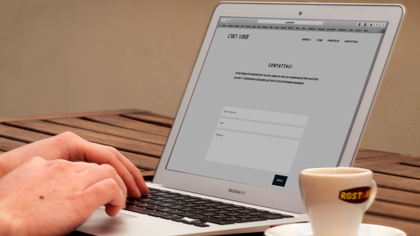
If the website has a contact form, the test should confirm that a submission actually reaches the correct destination. If there is a booking feature, the booking process should be checked. If WhatsApp has been integrated, the button should open the correct conversation. If payments are involved, the relevant checkout flow needs attention.
These are small details until a real customer tries to use them.
The navigation gets another pass at this stage. Every important page should be reachable, and buttons should take visitors where they are supposed to go. Broken links, missing pages and confusing menu labels can make a finished website feel unfinished very quickly.
I also pay attention to consistency. The same business should not suddenly look different from one page to another because the fonts, button styles, colours or spacing have changed. This final visual pass is where those inconsistencies can be cleaned up.
A professional finish is part of the value of a fast website. Can a fast website still look premium is a useful question to keep in mind here because speed should not mean abandoning the details that make a website look trustworthy.
Then comes one of the most important checks: does the website actually serve its purpose?
If the business wants enquiries, can visitors easily contact it? If the goal is bookings, can someone complete a booking without confusion? If the site is selling products, can customers understand what is available and how to purchase?
The final day is the right time to look at those journeys from a customer's point of view rather than only from the developer's perspective.
This connects closely with what makes a website convert visitors into customers. A finished website should make the next step clear instead of leaving visitors wondering what they are supposed to do.
Search-related basics can also be checked before launch. Pages should have sensible titles, readable content and a structure that makes sense. If the site is being prepared for search engines, the necessary technical and content elements should not be left until months after launch.
That does not mean a new website will instantly rank on Google. Search engines have their own crawling and indexing timelines. It simply means the website should be launched with a sensible foundation rather than trying to fix basic issues later.
Once the main checks are completed, the remaining time can be used for corrections. Perhaps a heading needs changing. Maybe an image needs replacing. A button may need repositioning. A section might need to be shortened. These final adjustments are normal and are exactly why the third day matters.
A 72-hour project should not mean stopping the clock the moment the pages exist.
The aim is to have the agreed website completed and ready within 72 hours. That requires development, review, testing and refinement to happen within the same project window.
This is also where having a clear project scope pays off. When the client and developer already understand what is being built, the final day can focus on finishing the agreed work rather than introducing a completely different project at the last minute. What makes a 72-hour website project successful explains why preparation and clear expectations matter so much.
Before the website goes live, I like one final practical check: imagine that you know absolutely nothing about the business.
Can you tell what the company does within a few seconds? Can you find the important information? Can you contact the business? Can you understand the services? Can you navigate the website without assistance?
If the answer is yes, the site is in a much stronger position to go live.
The final stage can then include publishing the website, connecting the domain, checking the live version and making sure the publicly accessible pages are behaving as expected. This is the point where the project moves from development into a real online presence.
For businesses that want to get online quickly, the entire process can be organised around a three-day schedule. How to get a website online in 3 days provides another look at what that timeline can involve.
A three-day website project is not about cutting corners simply to say that a website was built quickly. The real objective is to organise the work well enough that design, development, testing and launch preparation can all happen within the agreed timeframe.
By the end of the final day, the website should not feel like a work in progress. It should be complete, tested, functional and ready for the business to use within 72 hours.
Email: admin@auxisherpa.com