
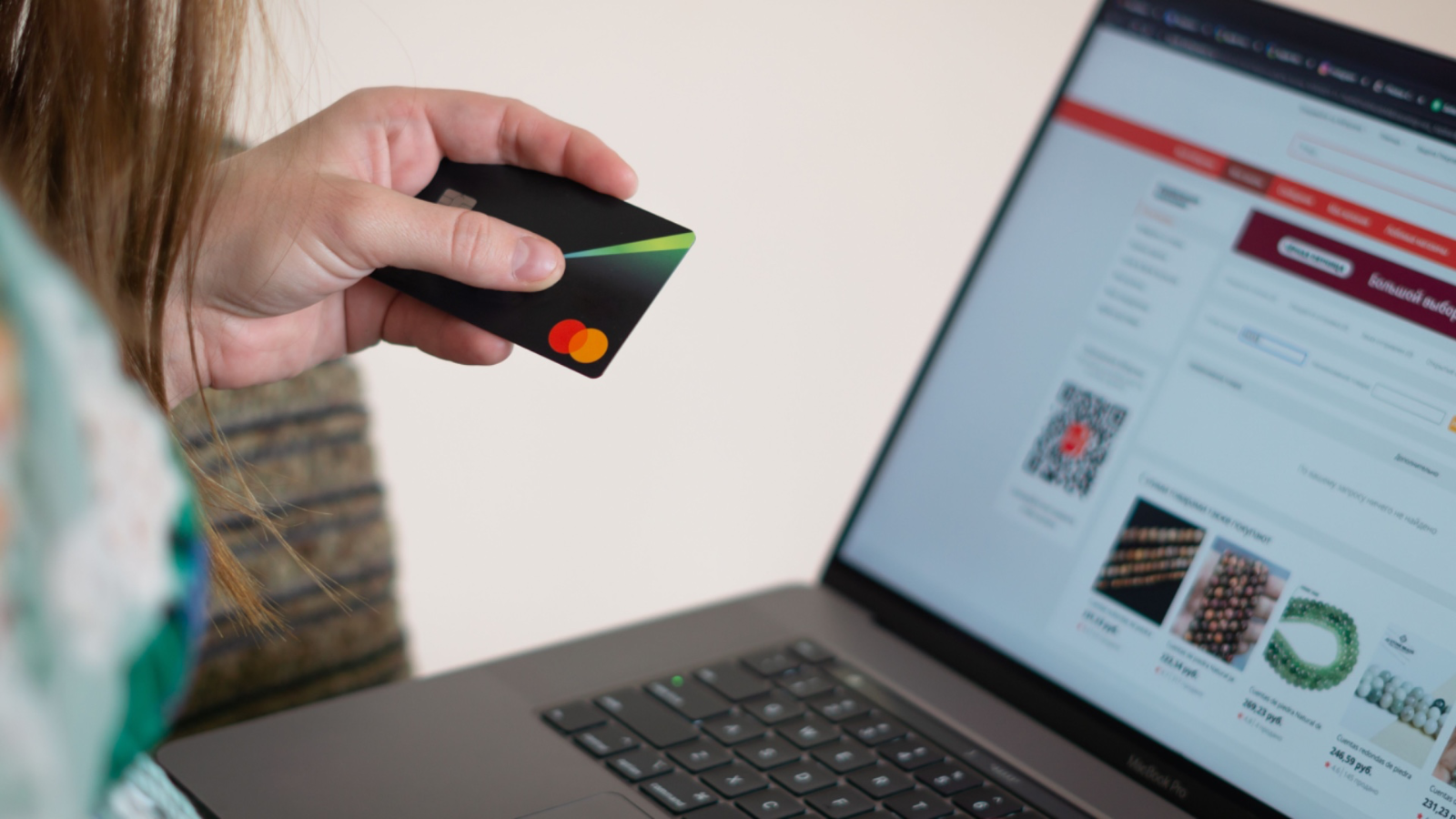
A customer can be ready to buy and still change their mind if paying for the product or service becomes difficult. I’ve seen websites explain everything perfectly, only to lose the sale when the customer reaches the payment stage and cannot find a simple way to complete the transaction.
Adding online payments can remove that problem. Instead of asking customers to call, send a message or wait for payment instructions, your website can give them a direct way to pay.
The first decision is figuring out what customers are actually paying for.
For an online store, that may be individual products. A consultant could collect payment for a consultation. A training business might sell a course or registration. A service company could take deposits or full payment before starting a project.
Once that is clear, the payment process becomes much easier to plan.
The website also needs to present the offer properly before asking someone to pay. Customers usually want to know what they are buying, how much it costs, what is included and what happens after payment. That means the payment button should not be treated as a replacement for good website content.
The surrounding pages matter.
A business may need product pages, service pages, pricing, FAQs, an About page and contact information. What pages can be built in a 72-hour website gives a useful look at how the website structure can be planned around the business.
Then comes the payment method itself.
Depending on the business and its customers, payments may be handled through a suitable payment gateway, card payments, bank-based options, digital wallets or other supported methods. The important thing is to choose an option that fits the customers you are actually selling to.
I also think the checkout experience deserves more attention than it usually gets.
If someone has already decided to buy, don't make them jump through unnecessary steps. Keep the information requested to what is genuinely needed. Make the total cost clear. Show the payment button properly. Make sure the customer understands when the transaction has been completed.
Trust is another big part of online payments.
People are naturally more careful when entering payment information online. A professional website, clear business details, secure checkout process, understandable pricing and straightforward policies can make the transaction feel more legitimate.
The design should support that feeling too. A payment page that looks unfinished can create doubt even when the underlying payment system works correctly. Can a fast website still look premium shows why speed and professional presentation do not have to be separate goals.
Mobile users are equally important. A customer may discover your product through a phone and expect to complete the entire purchase there. Buttons need to be easy to tap, text should remain readable and the checkout process should not become frustrating on a smaller screen.
Payment confirmation also needs to be considered.
After paying, the customer should know whether the transaction succeeded and what happens next. Depending on the business, that could mean receiving an order confirmation, booking details, a receipt, access to a digital product or instructions about delivery.
This is where the payment system becomes part of the wider business process rather than just a button on a webpage.
A website that accepts payments can also strengthen the rest of the business's online presence. How to build an online presence for your business quickly explains how a website can fit into a broader digital strategy.
There is also some preparation involved before development begins. You need to know what you are selling, your prices, payment preferences, customer information requirements and what should happen after a successful transaction.
Getting these details ready early can save time during development. What you need to provide to get your website in 72 hours explains the kind of information that can help move a fast website project forward.
The good news is that adding online payment functionality does not automatically mean waiting weeks for a website. When the requirements are clear and the necessary materials are available, the agreed website can be designed, built and completed within the 72-hour timeframe.
That speed still requires organisation. A focused project makes it easier to decide what needs to be included and avoid wasting time on unnecessary features. What makes a 72-hour website project successful explains some of the factors that keep a short website project on track.
Cost will depend on the website itself, the number of pages, the payment functionality and any additional integrations required. How much does a website built in 72 hours cost covers some of the factors that influence the price.
It is also possible to have the payment functionality included without ending up with a website that looks rushed. A properly planned project can still produce a professional result. Can you really build a professional website in 72 hoursexplores what can be achieved within that timeframe.
Before launch, I would test the complete customer journey rather than only checking whether the payment button works. Start from the product or service page, go through checkout, complete a test transaction, check the confirmation and make sure the business receives the necessary notification.
That final test can expose problems that are easy to miss when looking at individual parts of the website.
For businesses that are ready to sell directly through their website, Auxi Sherpa's 72-hour website service provides a way to get the agreed website completed within 72 hours.
Online payment should ultimately make buying easier, not more complicated. When the offer is clear, the checkout is simple and the payment process works properly on both desktop and mobile, the website becomes a much more useful part of the business.
Email: admin@auxisherpa.com