Think about the last time a company's jingle got stuck in your head.
You may not remember the advert that introduced it, but you remember the sound.
That is the power of branded music. A short melody, voice tag or signature sound can become part of the way customers recognise a business.
For years, creating that kind of audio identity was mostly something large brands could afford. Businesses needed musicians, producers, recording equipment and time to develop a professional sound.
AI-assisted music creation is changing that.
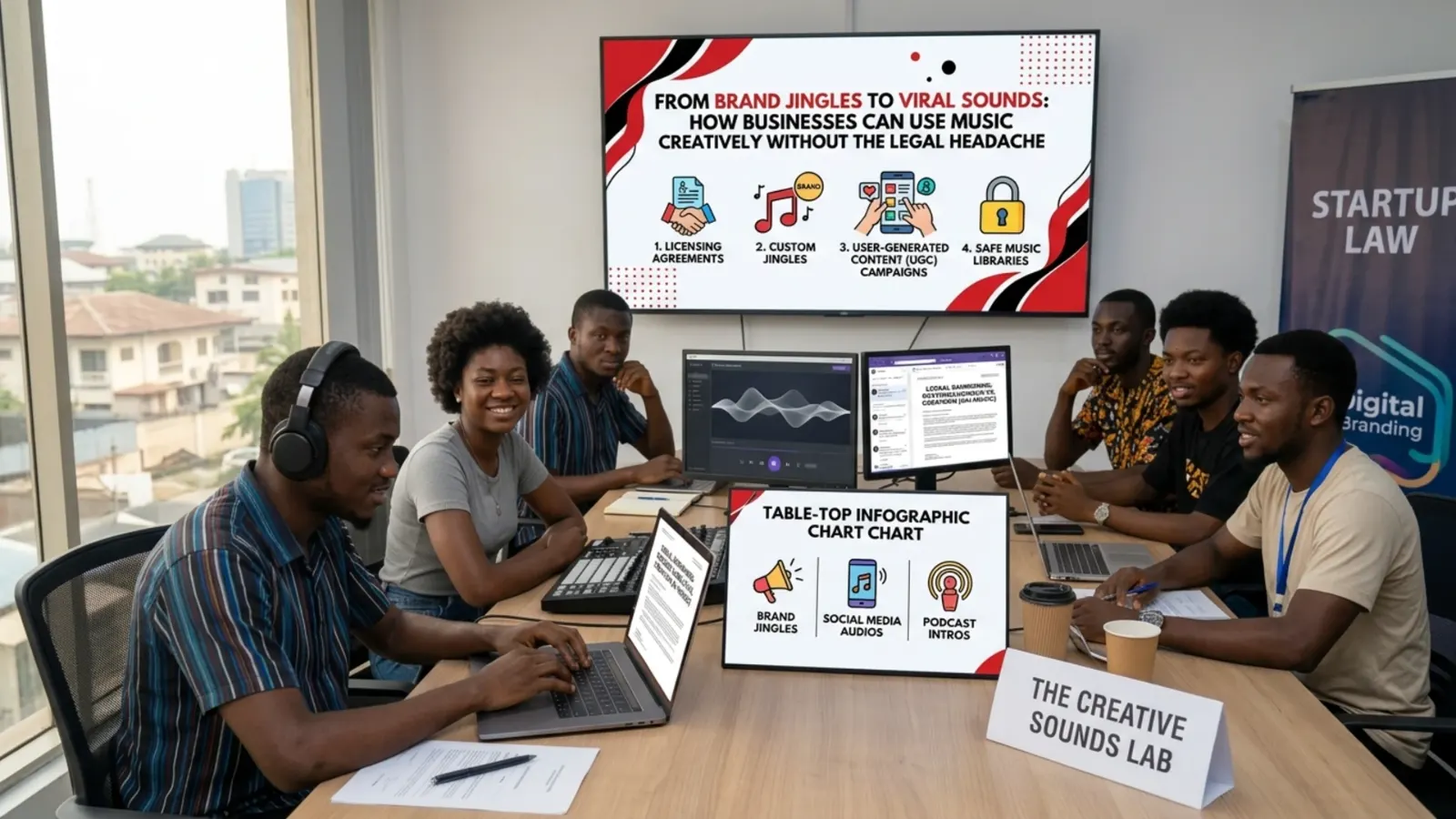
Today, a small business can explore original jingles, background music, podcast intros, promotional sounds and other audio concepts without having to build a traditional music-production setup.
But there is an important distinction entrepreneurs need to understand:
Creating music with AI and having the right to use that music commercially are not necessarily the same thing.
That matters when the music is going on an advert, YouTube channel, podcast, product video or social media campaign.
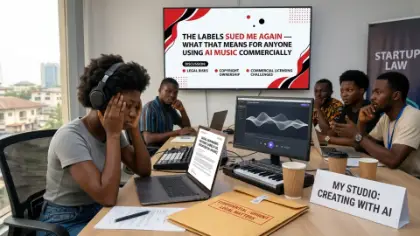
Imagine a restaurant creates a catchy AI-generated jingle for a promotional campaign. The sound performs well on social media, customers start using it in their own videos and the restaurant decides to include it in a larger advertising campaign.
The business now has a valuable piece of branded content.
But before using it commercially, it should know exactly what rights it has to that track.
This is where businesses can run into trouble.
AI music platforms have different terms governing how generated content can be used. Commercial-use permissions can also come with conditions, and the broader legal questions surrounding AI-generated music continue to develop.
For a small business, discovering a rights problem after investing money into a successful campaign can be far more complicated than checking the terms before publication.
So how can businesses use AI music more responsibly?
Start by deciding what you actually need.
If you want a five-second sound associated with your brand, you may need a sonic logo rather than a full song.
A podcast might need a recognisable intro and outro.
A fashion brand could use original background music in product videos.
A restaurant might want a short jingle for social media campaigns.
An online business could develop a consistent sound for advertisements and promotional content.
Once you know what you need, consider how the music will be used and what permissions are required.
Don't assume that because an AI tool generated the track, you automatically own unrestricted commercial rights to everything about it.
Check the platform's applicable terms and keep records of the service used, when the music was created and what commercial permissions applied at the time.
For businesses that want to incorporate AI into their branding while avoiding unnecessary uncertainty, having the music created specifically for the intended commercial purpose can also be useful.
This is where Auxi Sherpa's AI-assisted Music & Song Creation service comes in.
The service can help businesses explore original branded audio for uses such as jingles, intros, campaign sounds and other promotional content, with commercial use considered as part of the creation process.
The bigger idea is simple: your business doesn't need to become a record label to have a recognisable sound.
It just needs to approach branded music as part of its identity rather than as an afterthought.
Your logo gives customers something to recognise visually.
Your colours reinforce that identity.
Your tone of voice shapes how you communicate.
And a distinctive sound can give customers something they can recognise before they even see your name.
AI is making that opportunity more accessible to smaller businesses. The important part is making sure the creative convenience doesn't come at the expense of understanding your usage rights.
Looking to give your business its own sound? Get a custom brand jingle, intro or promotional track created through Auxi Sherpa and start building an audio identity your customers can remember.