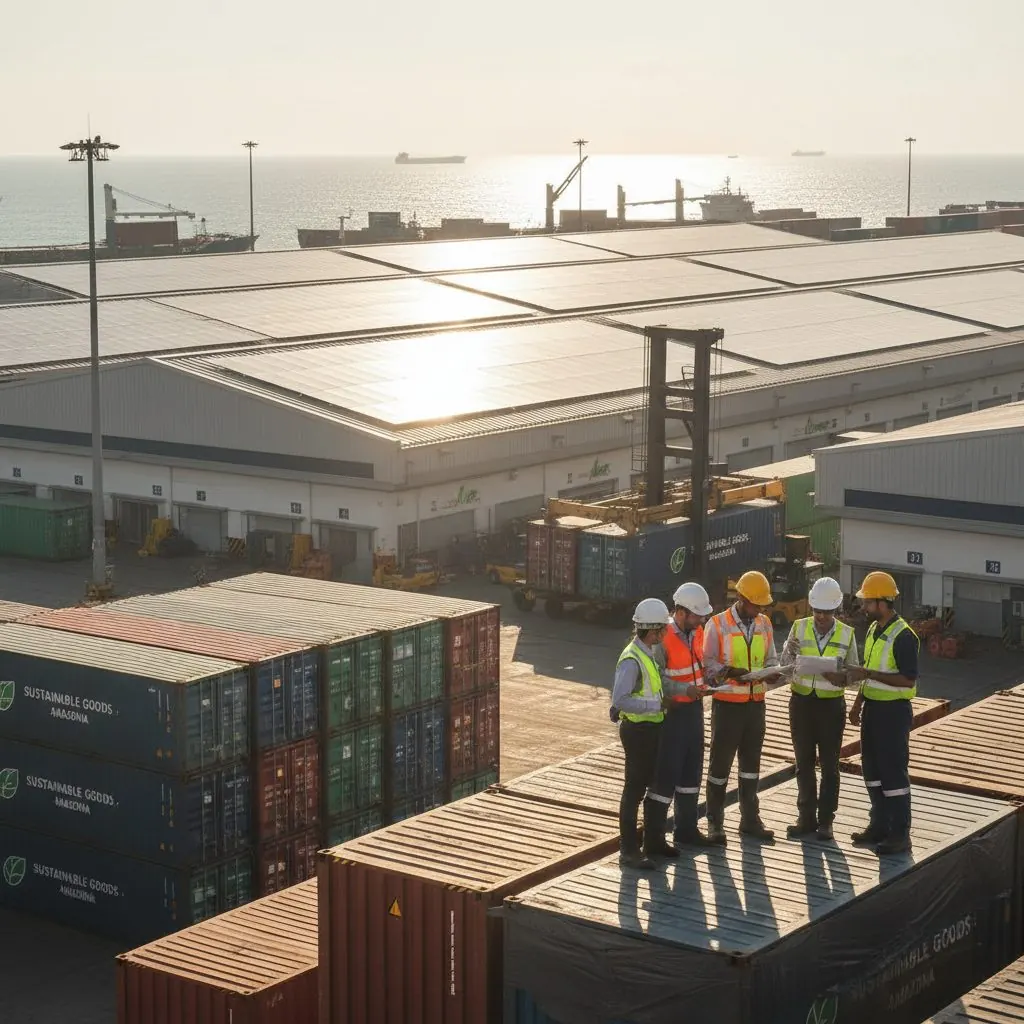
Brazil is witnessing a profound shift in its economic priorities, with a burgeoning green business sector now emerging as a significant new force in its export landscape. This transition is driven by a convergence of environmental imperatives, technological innovation, and growing international demand for sustainable products and services.
The nation, traditionally recognized for its agricultural and raw material exports, is increasingly leveraging its vast natural resources and scientific expertise to cultivate a diverse portfolio of eco-friendly goods and services poised for global markets.
Key Takeaways
- Brazil's green business sector is rapidly expanding, focusing on sustainable agriculture, renewable energy, and bio-industrial products.
- Government policies and private investments are fueling this growth, creating a more favorable ecosystem for eco-friendly enterprises.
- Technological innovation, particularly in biotechnology and climate tech, is key to developing new export-ready green products.
- International demand for sustainable goods and services is providing a significant market opportunity for Brazilian green businesses.
- Challenges remain in scaling operations and navigating complex global trade regulations, but optimism prevails among industry operators.
The Rise of the Bioeconomy
Brazil's rich biodiversity positions it uniquely to lead in the global bioeconomy. The concept of utilizing biological resources and processes to create new products and services is gaining traction, with a particular focus on sustainable forestry, biomaterials, and bio-pharmaceuticals. Companies are investing in research and development to transform agricultural waste into value-added products, such as biofuels and bioplastics, reducing environmental impact while creating new revenue streams.
Industry operators highlight the strategic advantage of Brazil's tropical climate, which allows for multiple harvests and a year-round growing season for various biomass sources. This natural endowment, combined with advancements in biotechnology, is enabling the creation of novel export products that meet stringent international sustainability standards. The development of advanced AI deep research tools is further accelerating these innovations, allowing for more efficient resource utilization and product optimization.
Sustainable Agriculture: Beyond Commodities
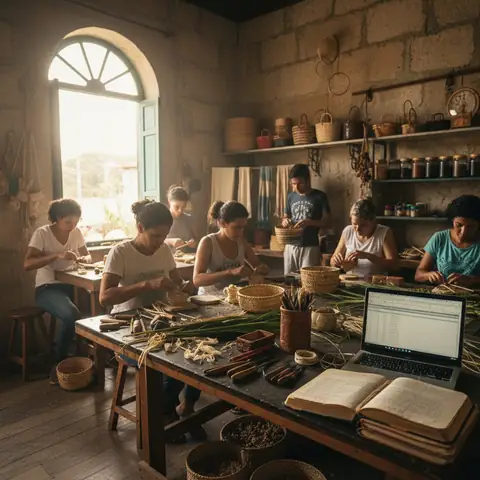
While Brazil remains a powerhouse in traditional agricultural exports, a significant shift towards sustainable and high-value agricultural products is underway. This includes organic produce, sustainably sourced coffee and cocoa, and specialty crops cultivated with minimal environmental impact. Farmers are adopting precision agriculture techniques, reducing water usage and pesticide application, to meet the evolving demands of environmentally conscious consumers in Europe, North America, and Asia.
Founders interviewed emphasize the importance of certifications and traceability in gaining market access. “Consumers want to know where their food comes from and how it was produced,” noted one organic coffee producer. “Our commitment to sustainable practices is not just ethical; it's a key differentiator in a competitive global market.” This focus on value-added sustainable agriculture is creating opportunities for smaller enterprises and diversifying Brazil's export portfolio beyond bulk commodities.
Renewable Energy and Green Technology
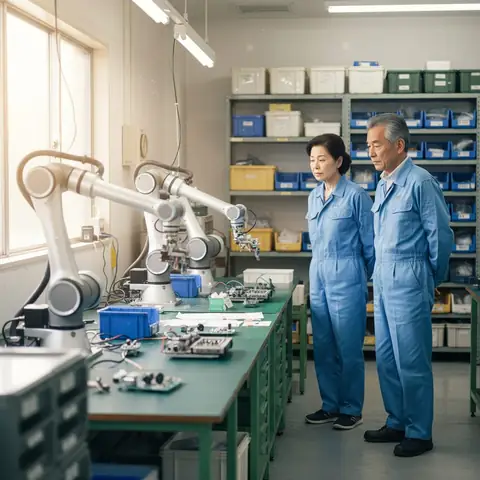
Brazil's abundant sunshine and vast land offer immense potential for renewable energy, particularly solar and wind power. Beyond domestic consumption, the country is exploring opportunities to export green energy technology and expertise. This includes the manufacturing of solar panels, wind turbine components, and advanced energy storage solutions. Investment in green infrastructure is also drawing international attention, creating partnerships that facilitate technology transfer and market access.
The development of smart grid solutions and energy efficiency technologies represents another area of growth. Brazilian startups are innovating in areas such as energy management software and distributed renewable energy systems, which have applications in developing economies worldwide. Such ventures often leverage AI sales growth strategies to identify and penetrate new international markets effectively.
Policy Support and Investment Climate
The Brazilian government has increasingly signaled its commitment to a greener economy through various policy initiatives, including incentives for renewable energy projects and sustainable agriculture. Investment funds, both domestic and international, are increasingly targeting green businesses, recognizing the long-term growth potential and alignment with global ESG (Environmental, Social, and Governance) criteria. This influx of capital is vital for scaling up operations and fostering innovation.
However, challenges remain, particularly in streamlining regulatory processes and ensuring consistent policy implementation. Industry operators often point to the need for clearer guidelines and reduced bureaucracy to attract more foreign direct investment. For businesses looking to establish a presence in this dynamic market, professional guidance on business setup (UK, USA, Canada, Asia, Africa) can be invaluable.
Navigating Global Markets
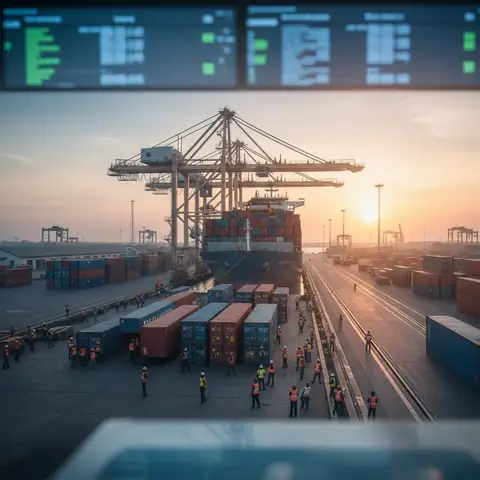
Exporting green products and services requires navigating a complex web of international trade regulations, customs procedures, and certification standards. Brazilian green businesses are investing in expertise to ensure compliance and market acceptance. This includes understanding the specific requirements of target markets, from carbon footprint labeling in Europe to organic certifications in the United States.
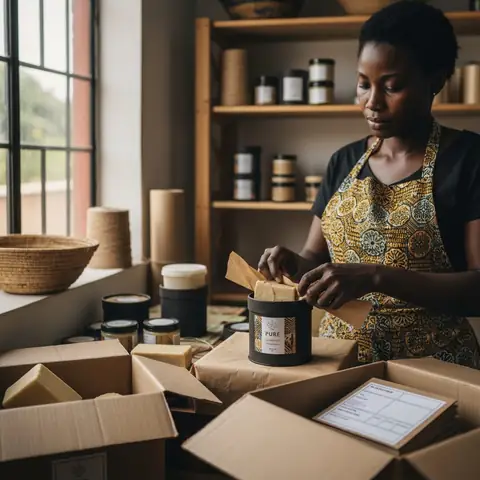
Collaboration with international partners and participation in global trade fairs are crucial for market penetration. Many nascent exporters also rely on professional services for email marketing and other digital strategies to build brand awareness and connect with international buyers. As these businesses mature, they often look for virtual assistant services to help manage the growing administrative demands of international trade.
The Road Ahead: Innovation and Collaboration
The trajectory for Brazil's green business transition appears promising, contingent on continued innovation and robust collaboration between the public and private sectors. The nation's scientific community, particularly in areas like agricultural research and biotechnology, is a critical asset. Further integration of technology, including advanced data analytics and automation, will be essential for optimizing production processes and enhancing competitiveness.
Opportunities for growth are not limited to large corporations; a vibrant ecosystem of startups is emerging, often leveraging agile methodologies and cutting-edge research. These smaller enterprises often benefit from task automation to maximize efficiency and focus on core innovation. The long-term vision involves establishing Brazil as a global leader in sustainable economic development, exporting not just products but also models and technologies for a greener future.
Frequently asked questions
What sectors are driving Brazil's green export growth?
Brazil's green export growth is primarily driven by sustainable agriculture (e.g., organic produce, certified coffee), renewable energy technologies (solar, wind components), and bio-industrial products (biomaterials, biofuels from waste).
How is the Brazilian government supporting green businesses?
The Brazilian government supports green businesses through various policy initiatives, including tax incentives for renewable energy, funding programs for sustainable agricultural practices, and fostering a favorable regulatory environment for eco-friendly investments.
What challenges do Brazilian green businesses face in exporting?
Challenges include navigating complex international trade regulations, obtaining various global certifications, scaling production to meet international demand, and securing sufficient funding for expansion. Bureaucracy and consistent policy implementation also pose hurdles.
What role does technology play in this transition?
Technology plays a crucial role, particularly in biotechnology for developing new biomaterials, precision agriculture for sustainable farming, and advanced analytics for optimizing renewable energy systems. Digital tools are also vital for market research and connecting with international buyers.
Auxi Sherpa offers a full service directory designed to support businesses navigating complex global markets and embracing sustainable practices. From strategic Auxi Sherpa services to market intelligence, we equip enterprises with the tools needed for success. For more insights into global business trends and technological advancements, visit Auxi Sherpa News.