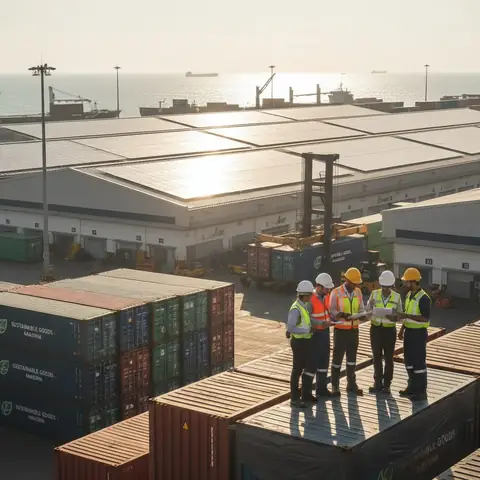

New climate reporting regulations, initially focused on large corporations, are rapidly cascading down to impact small and medium-sized enterprises (SMEs) that form the intricate web of global supply chains. This shift means that businesses previously exempt from direct environmental scrutiny are now being asked to measure, disclose, and reduce their climate impact, often as a prerequisite for retaining contracts with larger clients.
The push for comprehensive supply chain transparency stems from a growing recognition that a significant portion of a large company's carbon footprint – often 80% or more – resides within its Scope 3 emissions, which include indirect emissions from upstream and downstream activities. As regulatory bodies and investor groups intensify pressure on major corporations to address these emissions, the burden of data collection and disclosure is increasingly being passed to their smaller suppliers worldwide, from São Paulo to Singapore.
Key takeaways
- Global climate reporting mandates are extending beyond large corporations to their SME suppliers, driven by Scope 3 emissions accountability.
- SMEs face significant challenges in data collection, reporting infrastructure, and understanding complex regulatory frameworks.
- Compliance is becoming a critical factor for maintaining supply chain partnerships and accessing new business opportunities.
- Early adopters of robust climate reporting can gain competitive advantages, attract sustainability-focused investors, and improve operational efficiency.
- Strategic approaches, including digital tools and collaborative initiatives, are essential for SMEs to navigate these new requirements effectively.
The Regulatory Landscape and Its Ripple Effect
While jurisdictions like the European Union with its Corporate Sustainability Reporting Directive (CSRD) and the United States with the SEC's proposed climate disclosure rules primarily target larger entities, their influence is undeniable. These regulations require big companies to report on their entire value chain emissions, forcing them to engage with their suppliers on climate data. In Brazil, for instance, major agricultural exporters and manufacturers, often suppliers to international brands, are already feeling the heat, prompting them to inquire about the sustainability practices of their own, often smaller, local suppliers.
Industry operators note that even without direct legislative mandates on SMEs, market forces are compelling action. "Large clients are increasingly integrating environmental performance into their supplier selection criteria," says one supply chain consultant based in Rio de Janeiro. "If you can't provide the data, you risk losing the contract, regardless of your product quality or price." This commercial imperative is often more immediate and powerful than anticipated future government regulations.
The standards being adopted, such as those from the Greenhouse Gas Protocol, demand a granular understanding of emissions sources, which can be daunting for small businesses. From energy consumption in operations to transportation and waste management, every aspect of a business's environmental footprint is becoming relevant. Tools and Auxi Sherpa services are emerging to help businesses track and report this data.
Challenges for Small and Medium-sized Enterprises
The transition to comprehensive climate reporting presents several unique challenges for SMEs. Foremost among these is a lack of resources – both financial and human – to dedicate to environmental data collection and management. Many small businesses operate with lean teams and limited budgets, making the investment in new reporting systems or expert consultations a significant hurdle.
Founders interviewed often express a sentiment of being overwhelmed. "We're focused on making our product and keeping our employees," shared the owner of a small furniture manufacturer in Minas Gerais. "Now we have to become experts in carbon accounting? It feels like another full-time job." This sentiment highlights the knowledge gap that exists. Many SMEs lack in-house expertise in sustainability metrics, carbon footprint calculation, or understanding complex reporting frameworks.
Data availability and accuracy are also major concerns. Unlike large corporations with sophisticated ERP systems, many small businesses rely on manual records or basic accounting software. Gathering precise data on electricity consumption, fuel usage for transport, or the embedded carbon in purchased goods can be difficult. Furthermore, distinguishing between different scopes of emissions and ensuring the integrity of the data collected requires specific methodologies. Addressing these data challenges often requires a strategic approach, and some businesses are turning to virtual assistant services to help manage the influx of new administrative requirements.
The Business Case for Early Adoption
Despite the challenges, early engagement with climate reporting can offer significant advantages for SMEs. Proactive compliance positions a business as a reliable and forward-thinking partner, enhancing its attractiveness to larger clients who are under pressure to demonstrate their own sustainability commitments. This can lead to new contracts and strengthen existing relationships, offering a competitive edge in a crowded market.
Moreover, understanding and measuring environmental impact often reveals opportunities for operational efficiencies. Identifying areas of high energy consumption, for example, can lead to investments in more efficient machinery or processes, reducing costs in the long run. Waste reduction initiatives not only cut down on environmental impact but also lower disposal fees and material expenses. This approach aligns well with AI sales growth strategies, as businesses can leverage their sustainability story to attract a growing segment of environmentally conscious consumers and business partners.
Access to finance is another compelling motivator. As investors increasingly scrutinize environmental, social, and governance (ESG) performance, SMEs with strong sustainability credentials may find it easier to secure loans or attract investment from funds focused on responsible investing. Financial institutions are beginning to integrate climate risk into their lending decisions, making demonstrable environmental performance a future prerequisite for capital.
Leveraging Technology and Collaboration
To overcome the hurdles, SMEs are increasingly exploring technological solutions and collaborative approaches. Digital platforms designed for carbon accounting can simplify data collection, calculation, and reporting, making complex tasks more manageable. These tools can help automate the aggregation of utility bills, fuel receipts, and other operational data, providing a clearer picture of a company's environmental footprint. For businesses looking to establish robust internal processes, business setup (UK, USA, Canada, Asia, Africa) services can incorporate sustainability frameworks from the outset.
Collaboration within supply chains is also proving critical. Larger corporations are recognizing that they need to support their smaller suppliers rather than simply imposing demands. This can take the form of providing training, sharing best practices, or even offering access to preferred reporting tools. Industry associations and chambers of commerce are stepping in to provide guidance and resources, facilitating workshops and creating peer-learning networks.
For SMEs, joining such initiatives can reduce the individual burden of compliance and foster a shared understanding of evolving expectations. Some businesses are also exploring shared services for sustainability reporting, pooling resources with other small enterprises to engage consultants or software providers, making the investment more affordable. Efficient management of these new data streams can also be supported by task automation tools, freeing up valuable time for core business activities.
The Brazilian Context: A Microcosm of Global Trends
Brazil provides a compelling case study for these global trends. As a major agricultural and industrial exporter, its economy is deeply integrated into international supply chains. Brazilian businesses, from large corporations to countless small family farms and manufacturing workshops, are feeling the pressure to adapt to global sustainability standards.
The Amazon rainforest's environmental significance means that Brazilian companies, particularly those involved in commodities like beef, soy, and timber, face intense international scrutiny over deforestation and land use. This pressure extends beyond primary producers to their suppliers and service providers, creating a cascading effect down the supply chain. "Our clients in Europe and North America are asking for certificates and data we never even considered before," commented a logistics provider in São Paulo. "If we want to keep their business, we have to find a way to provide it."
Local initiatives, often driven by NGOs and industry groups, are emerging to support SMEs in this transition. These efforts aim to bridge the knowledge gap and provide practical tools for compliance, helping businesses understand how to report their emissions and adopt more sustainable practices. The need for clear, actionable information is paramount, and many companies are turning to resources like email marketing campaigns from industry bodies to stay informed, and AI deep research for understanding specific regional impacts and opportunities.
Frequently asked questions
What are Scope 3 emissions and why are they relevant to my small business?
Scope 3 emissions are all indirect emissions that occur in a company's value chain, both upstream and downstream. This includes emissions from purchased goods and services, business travel, employee commuting, waste generated in operations, and the use of sold products, among others. They are relevant to your small business because larger companies in your supply chain are increasingly required to report their Scope 3 emissions. This means they will ask you, as their supplier, to provide data on your own emissions (which are their Scope 3) to fulfill their reporting obligations. Your ability to provide this data may become a condition for doing business.
What kind of data will I need to collect for climate reporting?
The specific data points will depend on the reporting framework and the demands of your clients, but generally, you will need to collect data related to your energy consumption (electricity, natural gas, fuel for vehicles), waste generation, water usage, and potentially the emissions embedded in the raw materials or components you purchase. For example, you might need electricity bills, fuel receipts, waste disposal records, and information from your own suppliers about their product emissions. The goal is to quantify the greenhouse gases emitted as a result of your business operations.
Are there any financial incentives for small businesses to engage in climate reporting?
While direct financial incentives from governments might vary by region, there are significant indirect benefits. Proactive climate reporting can strengthen your relationships with larger clients, potentially leading to more secure and lucrative contracts. It can also enhance your brand reputation, attracting new customers and talent who value sustainability. Furthermore, identifying and measuring emissions often reveals opportunities for cost savings through energy efficiency, waste reduction, and optimized resource use. Access to 'green' financing or sustainability-linked loans from banks is also becoming more prevalent for businesses with demonstrable environmental performance.
Where can small businesses find support or tools for climate reporting?
Support for small businesses can come from various sources. Industry associations often provide guidance, workshops, and peer-to-peer learning networks. Many consulting firms specialize in sustainability reporting for SMEs. There are also an increasing number of digital platforms and software tools designed to simplify carbon accounting and environmental data management, some even offering free or low-cost tiers for small businesses. Additionally, your larger clients might offer resources, training, or preferred vendor lists for sustainability services to help you comply with their requirements. Exploring a full service directory of business support can often unearth niche providers.
For businesses seeking comprehensive support in navigating these evolving compliance landscapes, Auxi Sherpa offers a range of services designed to streamline operations and enhance strategic positioning. Explore our full service directory to see how we can assist your business in thriving amidst new regulatory demands, or visit Auxi Sherpa News for more insights into global business trends.