
A customer may visit a website, ask about a product, request a quotation or begin a purchase without completing it. Sometimes they are interested but get distracted. Sometimes they need more time to decide. Other times they simply forget. If the business never contacts them again, the opportunity can disappear quietly.
This is why follow up is such an important part of customer communication. The first interaction does not always produce a sale, and expecting every customer to make an immediate decision means businesses will leave many potential sales behind.
The key is making the follow up useful. Sending an email that simply asks whether the customer is still interested may not be enough. A better message can answer a question, provide additional information, remind the customer about an unfinished action or help remove something that may be preventing them from buying.
Timing also matters. A follow up sent immediately after every interaction can feel unnecessary, while waiting several months may mean the customer has already forgotten the business.
Different customer situations require different timing, which is why automated email sequences can be particularly useful.
Businesses can also use follow up emails after abandoned purchases, unfinished enquiries and previous purchases.
Someone who bought a product several months ago may need a replacement.
Someone who requested information but never completed an order may still be interested.
Someone who has not interacted with the business for a long time may simply need a relevant reason to return.
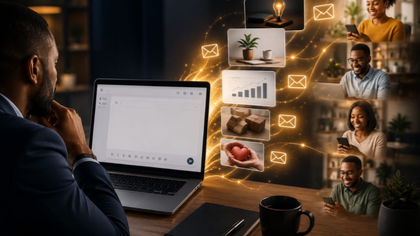
Automation makes this process easier to manage. Instead of expecting employees to remember every customer who needs another message, businesses can create workflows triggered by specific actions.
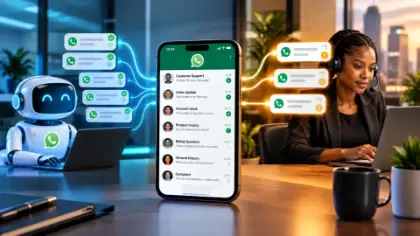
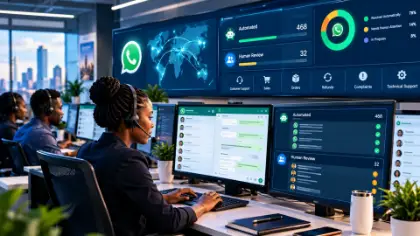
This allows follow ups to happen consistently while employees focus on customers who require personal attention.
Auxi Sherpa helps businesses build automated email follow up systems that identify opportunities, send relevant messages and keep customers moving through the buying journey.
The goal is not to send more emails for the sake of sending them. It is to make sure valuable customer relationships do not disappear simply because nobody followed up.
A lost customer is not always a customer who rejected your business.
Sometimes it is a customer nobody remembered to contact again.
With useful communication, appropriate timing and the right automation, businesses can recover opportunities that might otherwise have been forgotten.
See you at the top
Auxi Sherpa