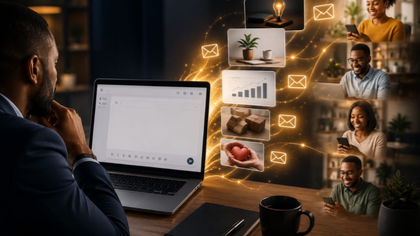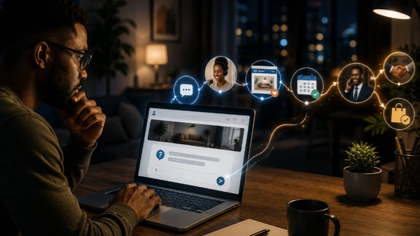

A follow up is most effective when there is a clear reason for sending it. A customer may have requested a quotation, asked about availability, started an order or shown interest in a particular service.
Referring to that previous interaction makes the message feel relevant instead of random.
Businesses should also avoid sending the same message repeatedly. If the first follow up receives no response, sending the exact same request again may not change anything.
The next message should offer something different, such as additional information, clarification or an easier way to take the next step.
Timing should be based on the customer journey. Someone who abandoned a purchase may need a reminder sooner than someone who is considering a major business service.
Understanding these differences helps businesses avoid communicating too aggressively or waiting so long that the opportunity disappears.
Personalisation can also improve the experience.
Customers are more likely to pay attention when a message reflects their previous interaction with the business.
Even simple details can make an automated email feel more relevant and intentional.
Businesses should know when to stop following up as well. Not every customer will respond, and continuing indefinitely can damage the relationship.
A good system should eventually move inactive contacts into a different communication category rather than repeatedly sending sales messages.
Auxi Sherpa can help businesses create structured email follow up systems that combine automation, customer information and appropriate timing.
This allows businesses to stay connected with potential customers without requiring staff to manually monitor every unfinished conversation.
The best follow up does not feel like chasing. It feels like the business is paying attention.
When every message has a useful purpose and gives the customer a clear next step, follow up becomes a service rather than a source of pressure.
See you at the top
Auxi Sherpa