A woman sees a makeup artist's work on Instagram. She likes what she sees and wants to know the price for bridal makeup. She clicks the profile, looks around, and finds plenty of pictures but no proper website, no service list and no easy way to get the information she needs.
She may send a message.
She may also find someone else.
That happens often in beauty. People want to see the work before they spend money, but they also want basic information without having to search through months of social media posts.
A good website gives everything a proper home.
For a beauty business with a defined project, the 72-hour completion goal means the agreed site can be built and ready within that timeframe after the project is confirmed and the required materials are received.
Think about what a new customer normally wants to know.
A salon visitor might be looking for haircuts, colouring, braiding or treatments. Someone searching for a nail technician may want to see designs and prices. A bride looking for a makeup artist will probably want to see previous bridal work, find out what is included and know how to make a booking.
None of that requires dozens of pages.
A small beauty business could have a home page, services, gallery, about page and contact or booking page. A larger operation may need separate pages for different treatments, locations or members of the team.
If you are trying to work out how much information belongs on the site, this article on website pages gives some examples. You can also look at what is included in a website package before deciding what you actually need.
The gallery may be one of the most important parts.
Beauty is difficult to sell with words alone. A customer wants to see the haircut, the makeup, the nails, the brows or the finished treatment. Those photographs give people an idea of the standard of work they can expect.
That is why I wouldn't fill a beauty site with random stock photographs just because they look attractive. Real work from the person or salon carries far more weight.
The same applies to the information beside those photographs. If a picture shows a hairstyle, tell visitors what the style is. If there are different makeup packages, explain what each one covers. If prices vary according to hair length or treatment type, say so.
It saves unnecessary back-and-forth.
There is also the question of appearance.
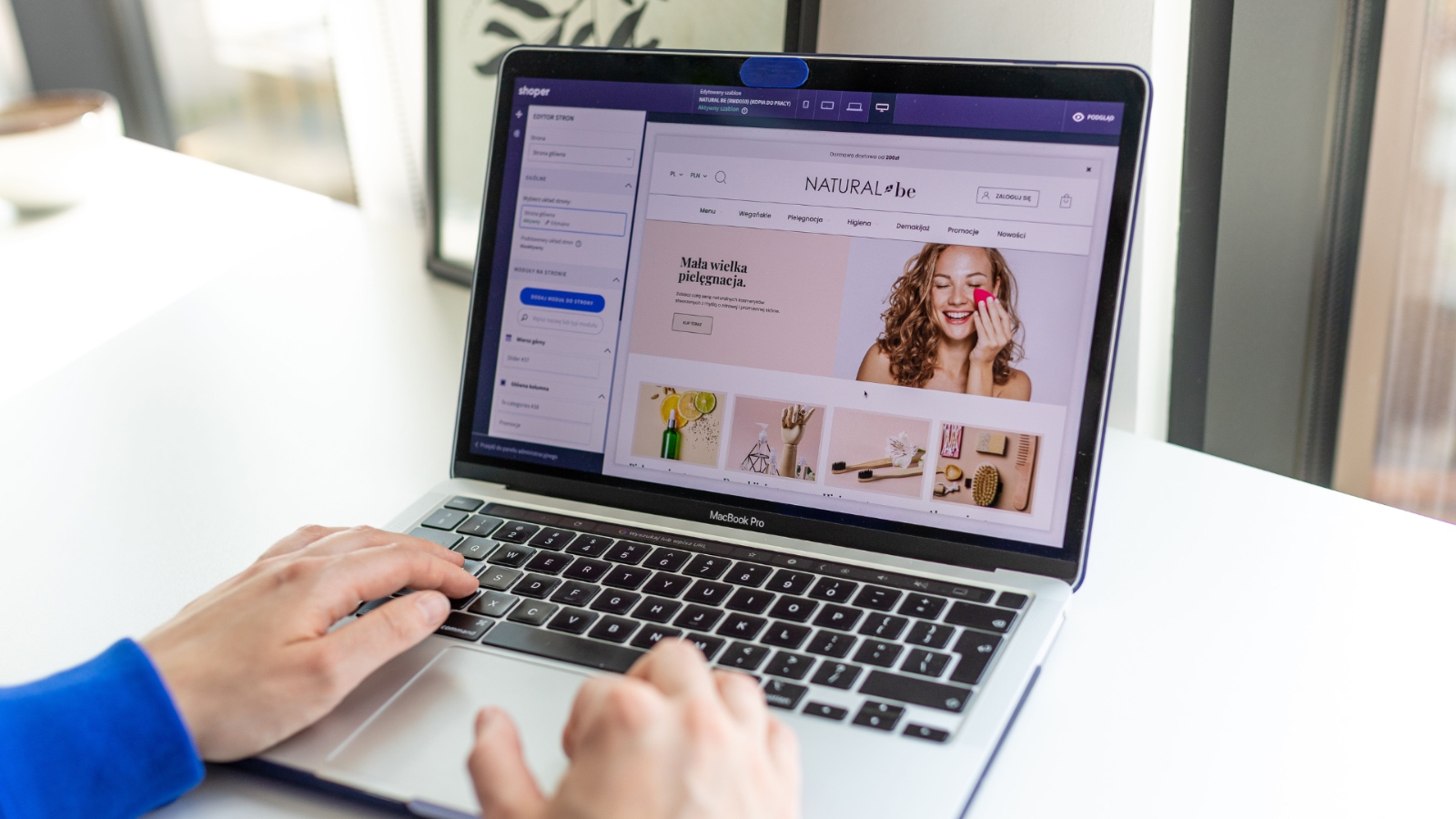
Beauty brands tend to care a lot about presentation, so a plain-looking site can work against the image the owner is trying to create. That does not mean covering every page with animations and special effects. Good photographs, suitable fonts, sensible spacing and a layout that fits the brand can do plenty.
A luxury skincare studio and a busy barbershop don't need to look alike.
If you are wondering whether a short project has to rely on a generic design, the discussion about custom-designed websites is worth reading. This comparison of custom and template websites also gives more context before choosing how the site will be designed.
Booking is where the site can become particularly useful.
Someone might discover a lash technician late at night when the salon is closed. They don't necessarily want to wait until the next morning before they can find out how appointments work.
A booking form, contact option or direct booking link gives that person somewhere to go.
The same applies to mobile visitors. Beauty customers are likely to find a business while using their phones, so the site needs to work properly on a small screen. If the photographs are difficult to view, the menu is awkward or the booking button is buried somewhere on the page, the experience becomes frustrating.
Getting those basics right matters more than trying to make the site look complicated.
Preparation can make a big difference to the three-day target.
The owner needs the logo, photographs, service descriptions, prices, phone number, email address, location and other required information ready. If there are booking links or social media accounts to connect, those details need to be available too.
There is a practical checklist in this guide to preparing for a short website project. If the business is starting from scratch online, this article about building an online presence quickly is relevant as well.
I think this is where many people misunderstand a fast website project.
Fast does not mean throwing together a few pages without checking them. It means the work has a defined scope and the material needed to do the job is available.
A beauty business with five services and one location is a very different project from a chain of salons with several branches, staff calendars, customer accounts, online payments and a complicated appointment system.
The second project may need considerably more work.
There is no reason to pretend otherwise.
For a smaller operation, though, waiting several weeks for a basic online presence may not make much sense. A newly opened salon might already have customers asking for directions. A makeup artist may have a busy wedding season approaching. A barber could be promoting a new location on social media.
Having somewhere to send those people is useful.
The guide to getting a website online in three days goes into the preparation behind that kind of timeline. It is also worth reading what makes a short website project successful, particularly if the launch date matters.
Money is another part of the decision.
There is no point paying for features a beauty business will never use. A solo makeup artist may have completely different needs from a large salon. Someone offering appointments and consultations may not need the same setup as a retailer selling hundreds of beauty products online.
The website cost guide can be used to compare the available options with the actual size of the project.
I would also think about what happens after launch.
A website is not something that has to remain frozen. New treatments can be added. Old prices can be changed. More photographs can go into the gallery. A salon may later add another branch or introduce online product sales.
Starting with what the business needs now can be more sensible than trying to build everything imaginable on day one.
The site can also support the work already being done on social media.
Instagram can show the latest hairstyle.
TikTok can show a makeup transformation.
Facebook can announce a promotion.
The website can hold the fuller information: services, prices, location, booking details, policies and the portfolio.
That gives potential customers somewhere to go when they want more than a social media post can provide.
If you're still unsure about the timeframe, this article looks at whether a professional site can really be completed within 72 hours. You can also view the Auxi Sherpa 72-hour website service to see what is currently offered.
Before the site goes live, I would test it as if I were a customer.
Can I find the services without hunting for them?
Can I see the actual work?
Can I understand the prices?
Can I book or make an enquiry?
Can I find the location?
Does everything work properly on my phone?
Those are the questions that matter.
A beauty business doesn't need an enormous site to make a good first impression. It needs somewhere customers can see the work, understand the services and take the next step.
For a suitable project, the 72-hour completion goal gives beauty professionals a defined timeframe for getting that online presence ready. With the content prepared and the requirements agreed before development starts, the process can move quickly without turning the finished site into a rushed job.
Email: admin@auxisherpa.com