Fashion moves quickly. A new collection can sell out, a trend can change within weeks, and customers often discover a clothing brand through a photograph or short video online. But when someone becomes interested in the brand, where do they go to see the full range, check prices or find out how to place an order?
Social media can bring people to a fashion business, but it does not always give them everything they need. A website can bring the products, brand story, contact details and ordering information together in one place.
For a fashion business with a defined project, that website can have a 72-hour completion goal once the project is confirmed and the required content and materials have been supplied.
I think the biggest mistake a fashion brand can make online is making people work too hard to understand what it sells.
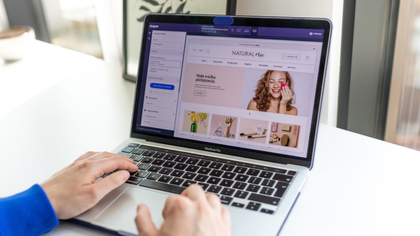
Someone should be able to arrive on the site and quickly see the clothes, accessories or services being offered. Product photographs should be easy to view. Prices, sizes, colours and ordering information should not be hidden.
The site also needs to reflect the character of the brand.
A designer selling handmade pieces may want a very different presentation from a store selling everyday clothing. A bridal fashion business will have different needs from a streetwear label. The website should leave room for those differences rather than making every fashion company look the same.
The number of pages will depend on the brand. A small label may need a home page, shop or catalogue, about page, contact page and information about delivery or returns. A larger fashion business may need separate collections, lookbooks, size guides, blog content or additional product categories.
This guide to pages that can be built in a 72-hour website is useful when deciding what belongs on the first version. The guide to what a 72-hour website package includes can also help when choosing the functions required.
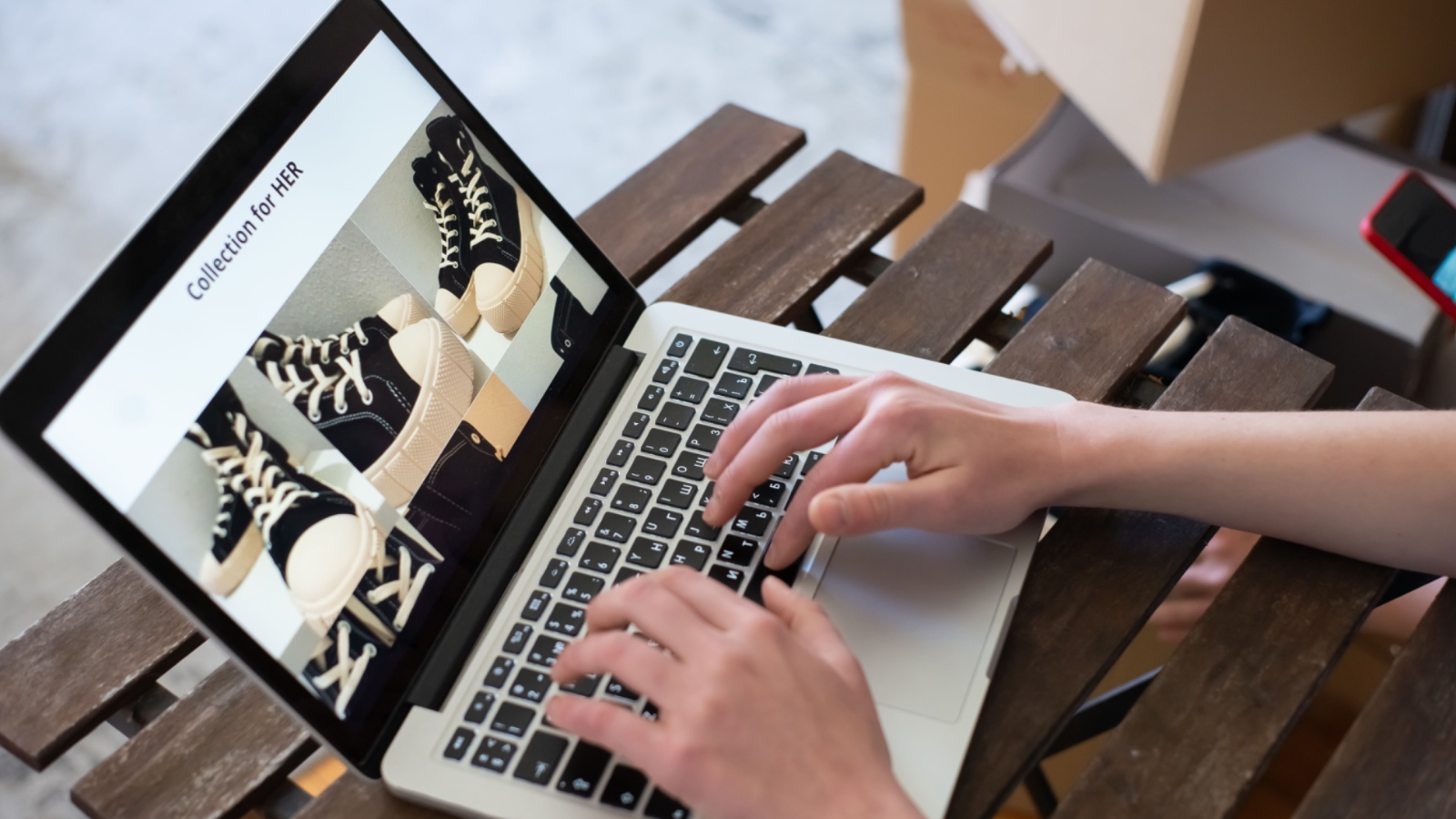
Good photographs are particularly important for fashion.
Customers cannot touch the fabric, try on the clothes or examine the stitching through a screen. The photographs therefore need to show the product properly. Different angles, close-up shots and photographs of the clothing being worn can give shoppers a better idea of what they are considering.
Product descriptions matter too. A name such as “Summer Dress” does not tell a customer very much. Information about the material, available sizes, fit, colour and care can answer questions before the customer has to ask.
The design should support the photographs rather than compete with them. Are 72-hour websites custom designed?explains some of the options available, while this comparison of custom and template websites can help a fashion brand think about the type of design it wants.
There is also a practical reason to have the site ready quickly.
Suppose a clothing brand has spent weeks preparing a new collection. The photographs are finished, the products are ready and the launch date has been chosen. Leaving the website unfinished for several more weeks creates a gap between the collection being ready and customers being able to find it.
A shorter development period can help close that gap.
The aim is not to rush through the work. The aim is to have the agreed website completed within the 72-hour timeframefor a project that fits the service.
That means preparation cannot be ignored.
Before development begins, the fashion business should have its logo, photographs, product information, prices, contact details and other approved content ready. If customers will be ordering online, the business should also know how orders, payments, delivery and returns will be handled.
How to prepare for a 72-hour website project covers the kind of preparation that can make the process easier. This guide explains what you need to provide to get a website in 72 hours.
A fashion website can also start small.
A new designer may not have fifty products to display. There may only be one collection and a handful of pieces. That is not a problem. The site can present what is available now and be expanded when new products are introduced.
This is one area where I would avoid building features simply because they sound impressive. If customers only need to browse a catalogue and contact the brand, there may be no reason to build a complicated system.
On the other hand, a fashion retailer that needs stock management, customer accounts, complex payment arrangements or a large online store may require more development work. A 72-hour project should be judged against the actual requirements rather than the name of the industry.
The cost should be considered in the same way. A small fashion brand does not necessarily need the most expensive package. The better starting point is to look at what the business needs now.
This article explains the cost of a website built in 72 hours, while the affordable 72-hour website development guideprovides another way to look at the budget.
Once the site is ready, the brand has somewhere to send people from Instagram, TikTok, Facebook, email campaigns and other marketing channels.
A customer who sees a new outfit on social media can visit the website to see the full collection. Someone interested in becoming a wholesale buyer can find business contact information. A returning customer can check for new arrivals without relying on an old social media post.
That makes the website more than an online business card.
For a fashion business preparing for a launch, collection release or brand refresh, the timing can matter just as much as the design. This guide to getting a website online in three days explains the short development approach, while this article looks at what can be expected from a website in 72 hours.
The final check should be simple.
Open the site on a phone. Look through the products. Check the prices. Test the contact or order process. Make sure photographs load properly. Check the spelling and product information. If there is a checkout or enquiry form, test it before sending customers there.
A fashion brand does not need a huge website to start selling or presenting its work online. It needs the right information, good product presentation and a buying or enquiry process that people can understand.
For a suitable, clearly defined fashion website project, the 72-hour completion goal offers a way to move from finished products to an active online presence without leaving the launch hanging for weeks.
Email: admin@auxisherpa.com