
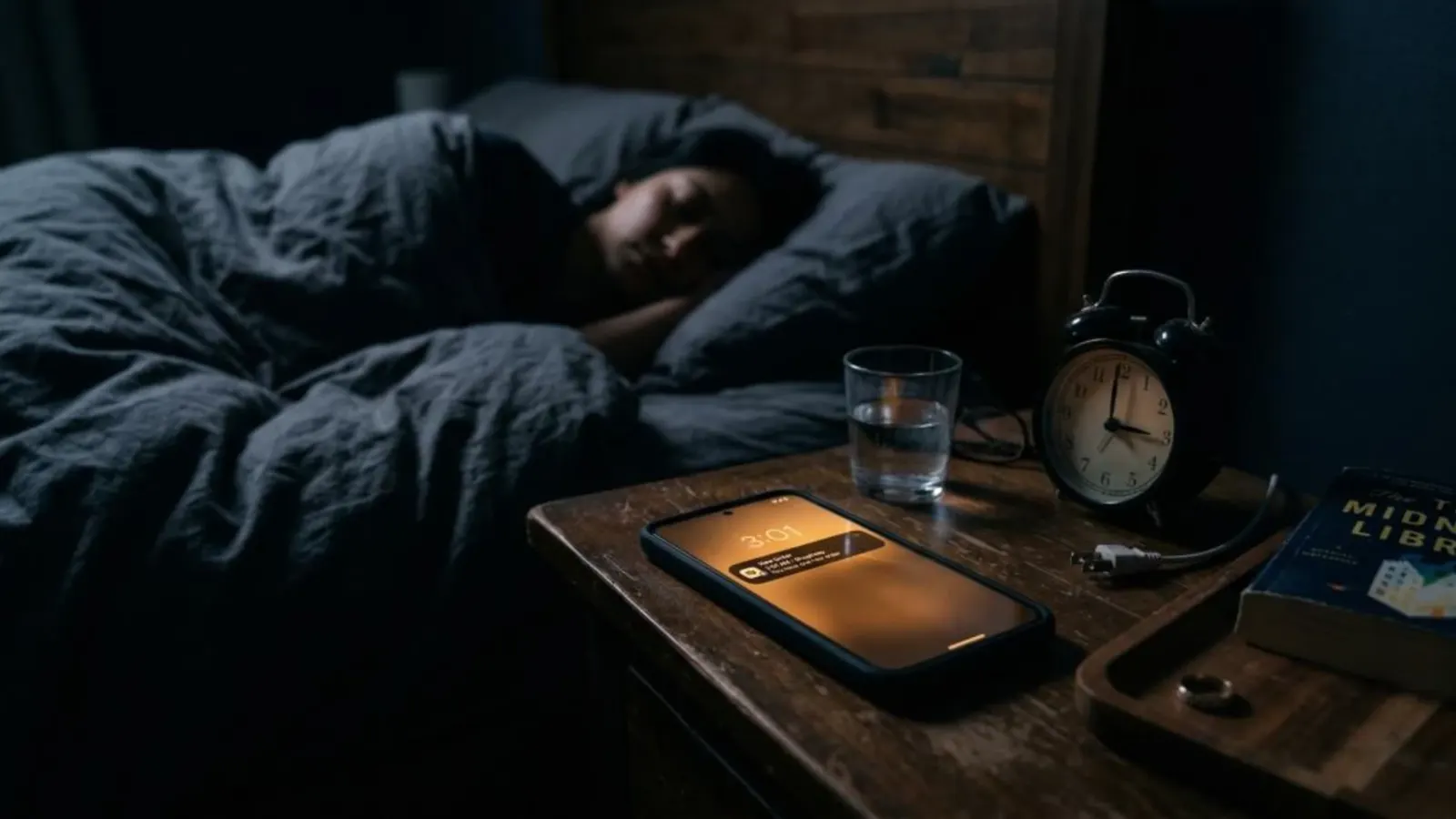
Most businesses have opening and closing times, and most customers know them. The shop shuts at six, the office closes on Friday, and messages sent after that wait until Monday morning.
That rhythm is entirely normal, and for most of business history it was unavoidable.
It is no longer unavoidable, because customers have changed faster than businesses have.
People now browse at night, ask questions on Sunday afternoon and expect a reply while they are still interested, which is usually within the hour. A business that is closed during those hours is invisible during them.
So what actually happens when a business never sleeps?
The first thing that changes is the speed of the first reply.
An enquiry at eleven at night is answered at eleven at night, while the customer is still on the page and still deciding.
The second thing that changes is the queue. Nothing sits waiting for somebody to arrive at a desk in the morning.
Work is handled as it arrives, which means the new day begins with the day's work rather than with yesterday's backlog.
The third thing that changes is memory.
A system that never sleeps also never forgets, so the follow up that was due on Thursday still goes out on Thursday, even if the owner spent the whole day travelling or dealing with a problem.
This is where the effect becomes visible in money rather than in mood. Businesses that respond quickly win customers who were already comparing options, and those customers almost never announce that speed was the reason they chose.
There is a fourth change, and it is the one owners feel most deeply. The business stops depending on the owner being awake, available and in a good mood. That dependence is the single thing that keeps most small businesses small.
It is worth being honest about who is doing the work. A business that never sleeps is not a business where nobody rests.
It is a business where the routine work runs without a person, and people are saved for the work that genuinely needs judgement.
That distinction matters, because the goal is not to make the owner work all night. It is to make the business capable of answering, following up and recording while the owner is asleep, resting, or doing something more valuable with their attention.
There is also a defensive reason to build this. A competitor that answers at midnight has an advantage that has nothing to do with quality, price or location. It simply arrives first, and first is very often enough to win the sale.
The honest limit is that no system should pretend to be human when a human is needed.
Complicated, sensitive or unusual conversations should reach a person quickly, and the best setups make that handover easy rather than hidden.
Auxi Sherpa helps businesses build that always-open layer, with automation that answers, follows up and keeps records while people rest.
The difference between a business that grows and one that plateaus is rarely luck, and it often comes down to what happens after everybody else has closed for the day.
See you at the top
Auxi Sherpa