
A beautiful website that nobody can find has a problem. A website that ranks in Google but looks confusing when someone visits has a different problem. That is why I don't see SEO and website design as two things fighting for attention. They do different jobs, and a good business website needs both. The real question is where each one matters most and how they should work together from the beginning.
Design is usually the first thing people notice. Before reading a single word, a visitor has already formed an impression from the layout, colours, images, spacing and navigation. If the site looks outdated or difficult to use, some people will leave before they ever discover what the business offers.
That does not mean a website needs expensive animations or a complicated layout. Good design can be quite simple. The important part is that the visitor can understand the business quickly and find what they need without struggling. This is also why the question of whether 72-hour websites are custom designed matters when discussing fast website development.
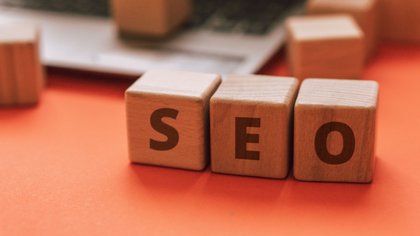
SEO has a different job.
Instead of focusing mainly on how the website looks, SEO helps search engines understand the website and helps potential customers discover its pages through search. Page titles, useful content, headings, internal links, technical structure and other factors all play a part.
Imagine someone searches for a service your company provides. If the website is beautifully designed but search engines cannot properly understand or discover the relevant page, that design may never get in front of the person who needs it.
On the other hand, ranking alone does not solve everything. A visitor may click the search result, reach the website and immediately leave because the page is slow, confusing or difficult to use. That is where design and usability become important.
This is why I prefer to think about the journey as a whole. SEO can help bring someone to the website. Design and content then help convince that person to stay, understand the offer and take the next step.
Content sits right in the middle of both areas. A page needs to be written clearly for visitors, but it should also give search engines enough information to understand its subject. Keyword stuffing is not the answer. Useful information written naturally is far more sensible.
The website structure matters too. You do not need endless pages to have a useful business website. What matters is having the right pages for the business and connecting them properly. What pages can be built in a 72-hour website is useful when deciding what belongs on the site.
There is another reason not to separate SEO from design: mobile use. A website can look fantastic on a desktop and still be frustrating on a phone. Menus, buttons, forms, text and images all need to work properly on smaller screens. A visitor should not have to fight with the website before they can contact the business.
Speed belongs in this conversation as well. A page that loads slowly can hurt the user experience, regardless of how attractive it looks. Good design should not mean adding so many unnecessary elements that the website becomes heavy.
The same thinking applies to a website being built quickly. A 72-hour project should not mean choosing between design and SEO. If the project is planned properly, the website can have a professional appearance while also being built with sensible SEO foundations. The goal is still straightforward: the agreed website should be completed and ready within 72 hours.
That does not mean the website will suddenly rank at the top of Google after three days. SEO visibility develops over time. A new site may need additional content, technical improvements, links and other ongoing work after launch. The important thing is that the website starts with a proper foundation instead of needing major corrections immediately after going live.
Preparation has a lot to do with this. When the business provides its logo, images, service information, contact details and other materials early, there is more time to concentrate on the actual website. How to prepare for a 72-hour website project explains why this matters when working with a short deadline.
I also don't think speed automatically means poor design. A website can be completed quickly and still look professional if the project is organised properly. The important thing is knowing what the website needs before development begins rather than spending most of the deadline making decisions that should have been settled earlier.
For anyone wondering whether a fast website can still look polished, Can a fast website still look premium? explores that question more closely.
There is also a practical side to the decision. Businesses often have limited budgets, so they may wonder whether they should spend more on design or SEO. I would look at the purpose of the website first. If customers need to find the business through Google, SEO deserves attention. If the website already receives visitors through advertising, social media or referrals, the quality of the landing experience becomes especially important.
In reality, choosing one and ignoring the other usually creates unnecessary weaknesses.
A business website should be easy to find, easy to understand and easy to use. SEO helps with the first part. Design, usability and content help with the rest. Neither needs to overpower the other.
That is also why the website development process matters. What makes a 72-hour website project successful comes down to more than getting pages online quickly. Planning, communication, content and clear requirements all affect what can be delivered within the deadline.
So, which matters more: SEO or design? I wouldn't separate them that way. A business needs a website that can attract the right visitors and give those visitors a good experience once they arrive. Build the site with both in mind, complete the agreed website within the 72-hour goal, and continue improving its search visibility and user experience after launch.
For businesses that need a professional online presence without waiting weeks for development, a properly planned 72-hour website can provide that starting point. The site can be completed and ready within 72 hours, with SEO and design working together rather than being treated as competing priorities.
Email: admin@auxisherpa.com