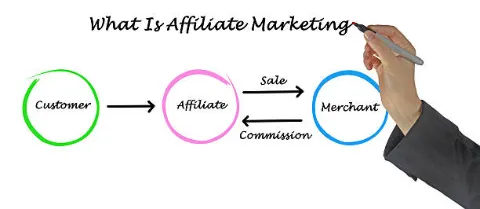

Affiliate marketing is often presented as a simple way to earn money online. Choose a product, share your affiliate link, and receive a commission whenever someone buys.
In reality, successful affiliate marketing requires much more than posting links.
If you have been creating content and promoting products without seeing meaningful results, it does not necessarily mean affiliate marketing does not work. It may simply mean that one or more parts of your strategy need to change. Need help? Send an email to: admin@auxisherpa.com
Here are the most common reasons your affiliate marketing is not making money and what you can do about them.
1. You Have Not Defined a Clear Target Audience
One of the biggest mistakes new affiliate marketers make is trying to sell to everyone.
When your content speaks to a broad audience, it often connects deeply with no one. People are more likely to buy when they believe a product solves a problem that is relevant to their specific situation.
Instead of targeting “people who want to make money online,” you could focus on:
University students looking for flexible income opportunities
Busy professionals interested in starting a side business
Small business owners who need affordable marketing tools
Content creators searching for better video equipment
Beginners who want to learn a particular digital skill
The more clearly you understand your audience, the easier it becomes to create useful content and recommend suitable products.
Ask yourself:
Who am I trying to help?
What problem are they currently facing?
What result do they want?
What might prevent them from buying?
Where do they search for information?
Affiliate marketing becomes more effective when you stop promoting products and start helping a specific group of people make better decisions.
2. You Are Promoting Too Many Unrelated Products
Promoting every available affiliate offer can make your platform look confusing and unreliable.
For example, if you promote website hosting today, skincare tomorrow, cryptocurrency the next day, and fitness equipment after that, your audience may struggle to understand what your platform represents.
Choose a focused niche and promote products that support a connected customer journey.
If your niche is content creation, your affiliate recommendations might include:
Cameras and microphones
Video-editing software
Graphic-design tools
Online courses
Social media scheduling platforms
These products make sense together. They also give you opportunities to create related content without constantly changing direction.
A focused niche helps you build authority, attract the right audience, and become known for solving a particular type of problem.
3. You Are Sharing Links Without Providing Value
Posting an affiliate link with the message “Buy this product now” is rarely enough to generate consistent sales.
Most people will not buy simply because you asked them to. They want to understand what the product does, how it works, whether it is suitable for them, and why they should trust your recommendation.
Create content that helps your audience evaluate the product. This could include:
Honest product reviews
Step-by-step tutorials
Product comparisons
Buying guides
Frequently asked questions
Case studies
Demonstrations
Mistakes to avoid
For example, instead of writing “Get this email marketing software,” create an article titled “How to Build Your First Email List Using [Product Name].”
The second approach attracts readers with a specific need and shows them how the product can help. Your affiliate link then becomes a logical next step rather than an interruption.
4. Your Audience Does Not Trust You Yet
Trust is one of the most important currencies in affiliate marketing.
People are unlikely to purchase a product through your link if they do not believe your recommendation is honest. Trust can be damaged when you exaggerate results, hide product limitations, or recommend products you have not properly evaluated.
To build credibility:
Recommend products that are relevant to your audience
Explain both the advantages and limitations
Share your genuine experience where possible
Avoid unrealistic income promises
Disclose your affiliate relationship clearly
Correct outdated information
Respond honestly to questions
You do not have to describe every product as perfect. In fact, explaining who should not buy a product can make your review more credible.
Transparency may not produce instant sales, but it can help you build an audience that values your recommendations over time.
5. You Are Attracting the Wrong Traffic
A large audience does not automatically produce affiliate income.
Ten thousand people who have no interest in your offer may be less valuable than 100 people actively searching for a solution.
The goal is not simply to attract more visitors. It is to attract relevant visitors with the right level of buying intent.
Consider the difference between these two topics:
“What Is Graphic Design?”
“Best Graphic-Design Software for Small Businesses”
Someone reading the first article may only be learning about the subject. Someone searching for the second is probably comparing tools and may be closer to making a purchase.
Create content for different stages of the customer journey, but pay particular attention to topics that indicate purchase intent. Words such as “best,” “review,” “comparison,” “price,” “alternative,” and “how to choose” often reflect a reader who is evaluating options.
6. Your Content Is Not Persuasive Enough
Good affiliate content should do more than describe features. It should help readers understand the practical outcome a product can provide.
Instead of saying:
“This software includes automation, templates, and analytics.”
Explain the benefit:
“The automation feature can help a small business follow up with potential customers without sending every message manually.”
Effective affiliate content usually contains:
A clearly defined problem
An explanation of why the problem matters
A suitable solution
Evidence or a demonstration
A direct call to action
Your call to action should also be specific. Replace “check it out” with a clearer instruction, such as:
“Explore the available plans and choose the option that matches the size of your business.”
Avoid pressure, false urgency, or guaranteed outcomes. Give readers enough information to make an informed decision.
7. You Are Relying on Only One Traffic Source
Depending entirely on one social media platform, search engine, or paid advertising channel can limit your growth.
Algorithms change. Accounts lose reach. Advertising costs increase. Search rankings fluctuate.
A more resilient strategy may combine:
Search-optimized blog content
Email marketing
Short-form social media content
Video tutorials
Online communities
Webinars or live demonstrations
Strategic partnerships
You do not need to use every channel at once. Begin with one primary channel and one supporting channel.
For example, you could publish detailed blog posts and use LinkedIn, Instagram, TikTok, or YouTube to direct interested people to them. You could also invite visitors to join an email list so that your connection does not depend entirely on a third-party platform.
Which of these affiliate marketing mistakes have you experienced? Share your biggest challenge in the comments, and start improving one part of your strategy today. Visit www.auxisherpa.com