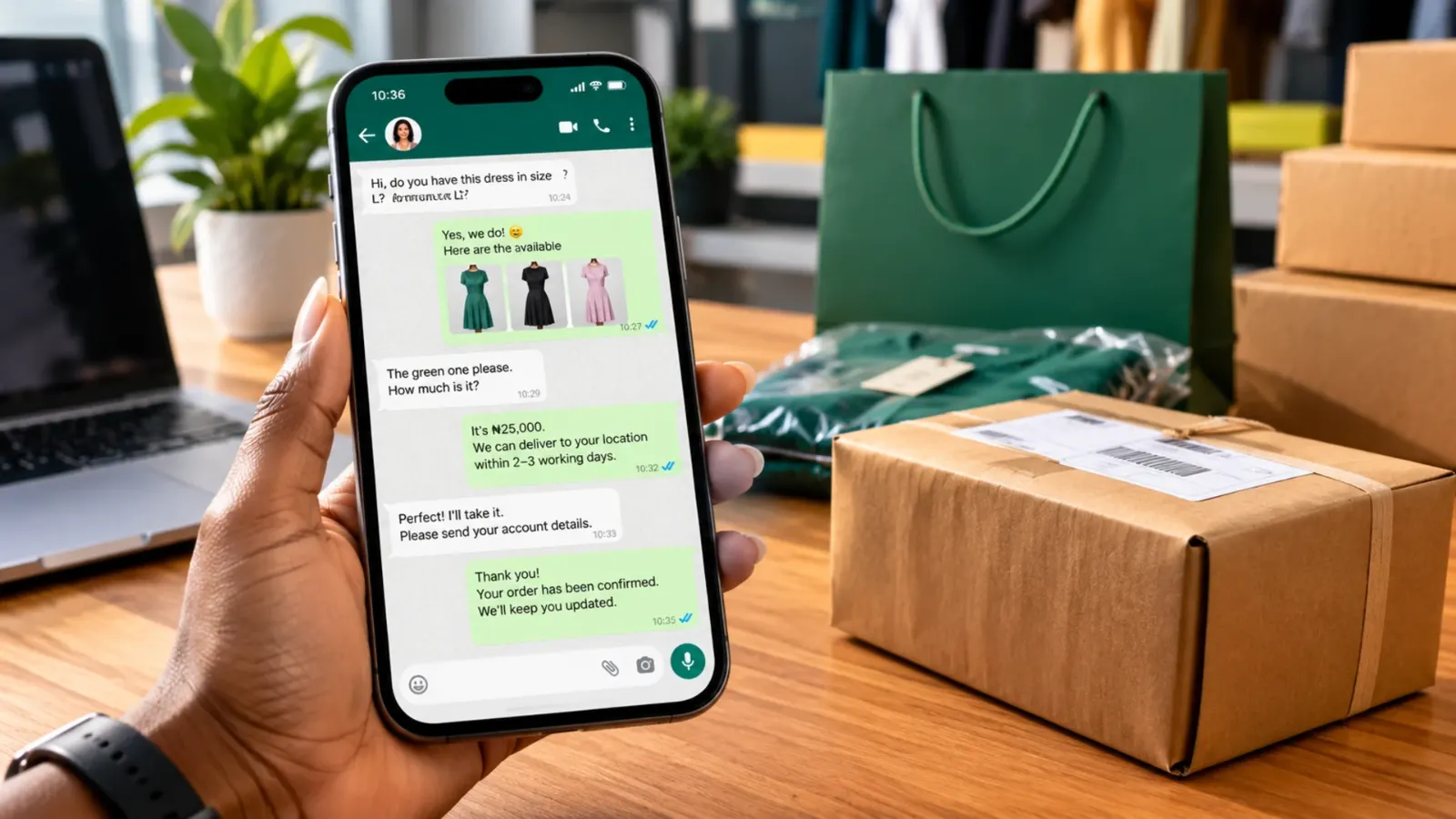
A customer sends a message asking about a product. The business responds. A few questions follow, the customer receives the information they need and the conversation eventually becomes a purchase.
This simple exchange is becoming an important part of how businesses sell.
WhatsApp allows businesses to move from attracting attention to having a direct conversation with a potential customer.
Instead of sending someone through several pages before they can ask a question, the business can provide a direct route to a person or automated system that can help.
But successful WhatsApp selling is not simply about replying to messages.
The first step is giving customers a reason to start the conversation. A business can use its website, social media content, advertisements or referrals to bring potential customers to WhatsApp.
The message should make it clear what the customer can ask about or what action they can take.
Once the conversation begins, speed matters.
Customers do not always wait around for a response, particularly when they are comparing several businesses.
A business that responds quickly can keep the conversation moving while the customer’s interest is still high.
The next stage is understanding what the customer actually wants.
Someone asking for a price may also want to know about delivery.
Someone asking whether a product is available may also want to know how soon it can arrive.
Good sales conversations uncover these needs instead of simply sending a price and waiting.
Businesses can also use prepared responses for common questions.
This can save time while keeping answers consistent.
For larger volumes, automation can help answer routine questions, collect customer details and direct more complicated enquiries to a member of the team.
The important part is knowing where automation should stop.
Customers making complex purchases may need reassurance, negotiation or personal assistance.
A system that forces every customer through automated replies can make the business feel distant.
Technology should support the sales team rather than make the customer feel like they are talking to a wall.
Follow up is another important part of the process.
Not every customer buys during the first conversation.
Someone may need time to compare options, discuss the purchase with someone else or wait until they have the money.
A structured follow up process can help the business continue the relationship without relying on memory.
This is where WhatsApp becomes more powerful when connected to other digital tools.
A professional website can provide information and build trust.
WhatsApp can create the direct conversation. Automation can help with repetitive communication and follow up.
Together, these systems can create a smoother path from interest to purchase.
Auxi Sherpa helps businesses connect websites, WhatsApp communication, AI automation and customer processes into practical digital systems.
The objective is not simply to add technology but to make it easier for businesses to respond to customers and manage opportunities.
A WhatsApp conversation is not automatically a sale.
But when the conversation is supported by the right information, response process and follow up system, it can become an important part of the sales journey.
See you at the top
Auxi Sherpa